

Cart
0

Muscle pain can come from many places—workouts, long hours sitting, repetitive movement, or everyday stress. While pain relievers may offer short-term relief, many people are looking for natural, hands-on solutions that support the body’s recovery process rather than simply masking discomfort.
One method that continues to gain attention for muscle relief is cupping therapy.
Used for centuries and now widely adopted by athletes and wellness professionals, cupping offers a unique approach to easing muscle tension by working with the body’s natural circulation and tissue response.
Why Muscle Pain Happens in the First Place
Muscle soreness and tightness often stem from:
• Micro-tears from physical activity
• Restricted blood flow to overworked muscles
• Fascial tightness and adhesions
• Accumulated metabolic waste after exertion
This is especially common with Delayed Onset Muscle Soreness (DOMS), which typically appears 12–48 hours after intense or unfamiliar movement.
While inflammation is part of the natural healing cycle, restricted circulation and compressed tissue can slow recovery and prolong discomfort.
This is where cupping can play a supportive role.
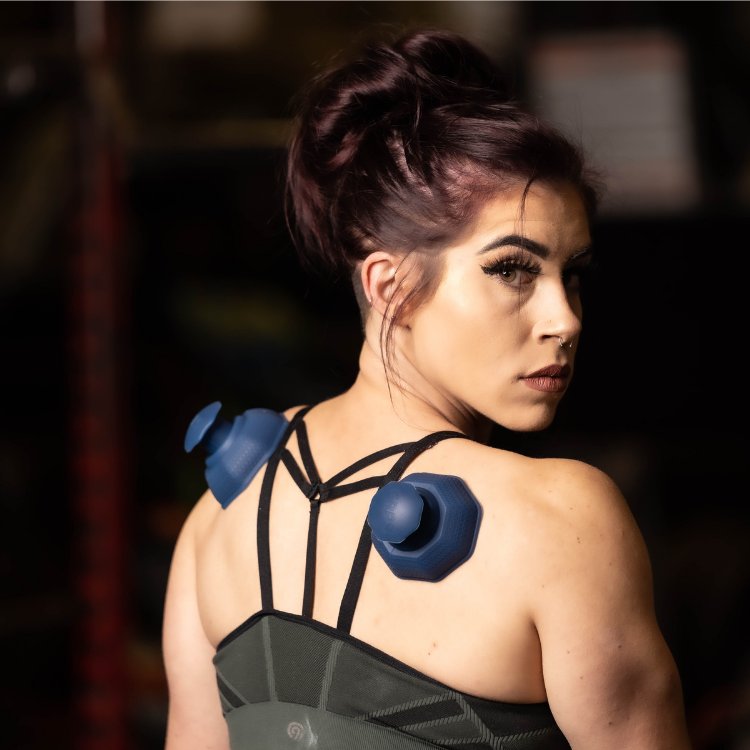
How Cupping Supports Muscle Relief
Unlike massage, which applies downward pressure, cupping uses gentle suction to lift the skin and underlying tissue. This decompression creates space in areas where muscles and fascia feel tight or restricted.
When applied to sore muscles, cupping may help by:
• Encouraging localized circulation
• Supporting oxygen and nutrient delivery to tissue
• Helping muscles relax and release tension
• Promoting lymphatic movement to clear metabolic byproducts
Clinical and physiological explanations of cupping therapy describe how negative pressure may assist with circulation and tissue mobility rather than forcing tissue compression. You can read more about these mechanisms here.
Cupping doesn’t “fix” muscles overnight—but it can support the body’s own recovery process by creating an environment where muscles are able to relax and rebalance.
Why Cupping Is Especially Helpful for Deep Muscle Tension
Some muscle pain sits closer to the surface. Other discomfort feels deeper—stubborn knots, tight bands, or areas that don’t respond well to stretching alone.
Cupping is often used for:
• Upper back and shoulder tension
• Lower back stiffness
• Tight hips, glutes, and thighs
• Calves and hamstrings after exercise
Because cupping lifts tissue instead of pressing into it, many people find it helpful for areas that feel chronically tight or resistant to traditional massage.
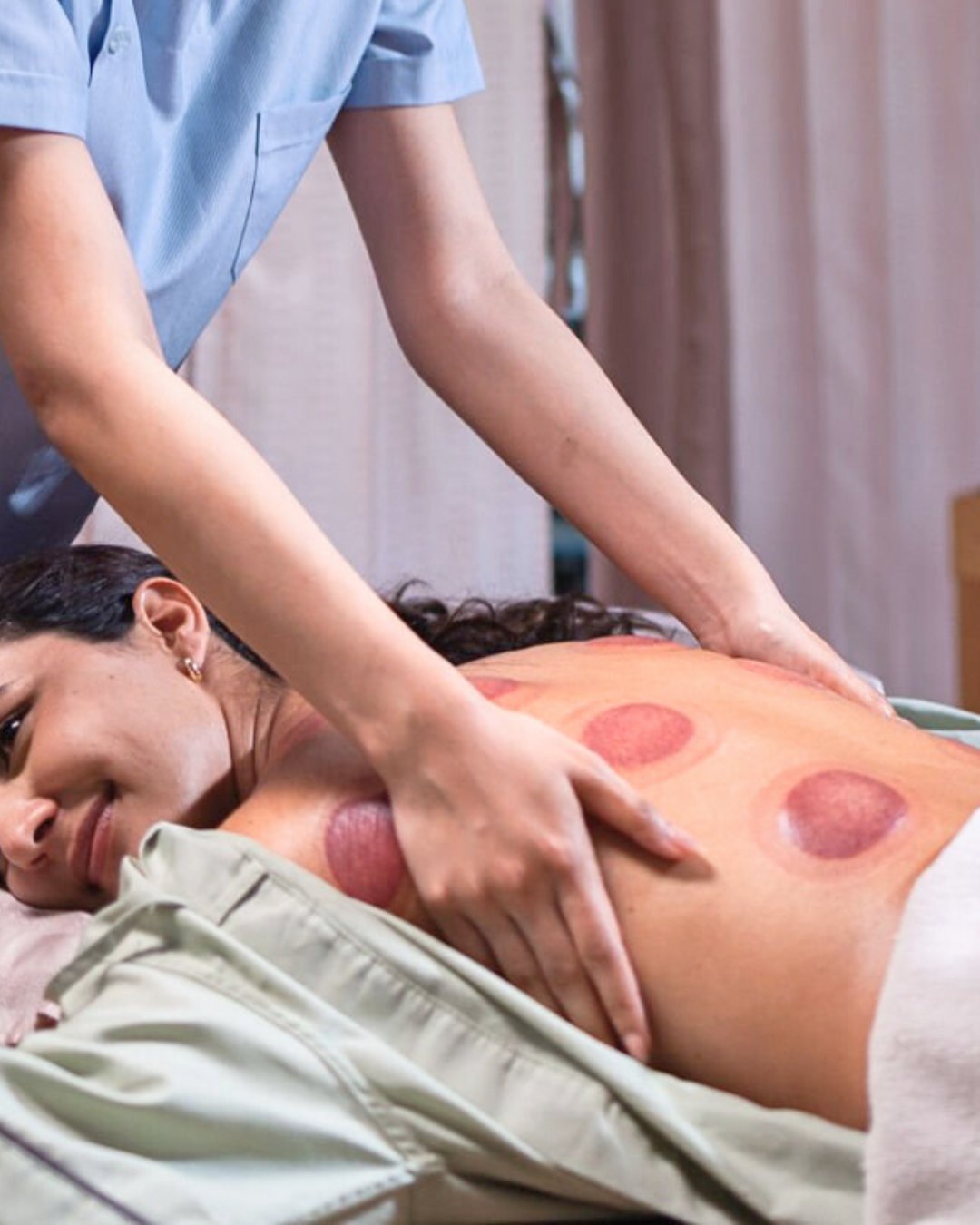
Those circular marks sometimes left behind are not bruises; they are commonly understood as signs of localized circulation changes and typically fade within days.
Using Cupping Safely for Muscle Relief at Home
Modern silicone cupping sets have made cupping more accessible for at-home use when applied thoughtfully.
General Guidelines
• Use light to moderate suction—stronger is not better
• Apply oil or lotion so cups can glide comfortably
• Limit sessions on one area to a few minutes
• Allow at least 48 hours before re-cupping the same area
Cupping is often used 1–2 times per week for general muscle maintenance, with frequency adjusted based on how the body responds.
For broader recovery education, this guide on reducing muscle soreness offers additional context on pacing and rest.
How Cupping Fits into a Muscle Recovery Routine
Cupping works best when it’s part of a balanced muscle recovery routine rather than used as a stand-alone solution. While cupping can help encourage circulation and release tight tissue, recovery is most effective when the body is supported from multiple angles.
Many people incorporate cupping alongside other simple, supportive habits that help muscles recover more comfortably and consistently.
Common pairings include:
-
Gentle movement or stretching to maintain mobility and reduce stiffness
-
Proper hydration to support circulation and normal muscle function
-
Rest and quality sleep, which allow the body time to repair and reset
-
Simple nutritional support to help fuel recovery after physical activity
Cupping can be used before or after these practices. Some people prefer cupping after movement to help muscles relax, while others use it on rest days to release lingering tension.
The key is consistency and moderation. Short, regular cupping sessions—paired with everyday recovery habits—often feel more supportive than occasional, intense use.
Rather than forcing muscles to loosen, cupping complements the body’s natural recovery process by creating space for tissues to relax, rebalance, and recover over time.
💡 FAQ: Cupping for Muscle Pain & Relief
Does cupping actually help with muscle pain?
Cupping may help relieve muscle pain by encouraging circulation and helping tight tissue relax. Many people use it to support recovery from soreness, stiffness, or overworked muscles.
What types of muscle pain is cupping best for?
Cupping is commonly used for:
-
Post-workout soreness (DOMS)
-
Tight shoulders, neck, and upper back
-
Lower back stiffness
-
Hip, glute, and leg tension
It’s especially helpful for muscle discomfort that feels deep or resistant to stretching alone.
How often should I use cupping for muscle relief?
For general muscle maintenance, 1–2 times per week is common. If working on a particularly tight area, shorter sessions may be used more frequently, allowing at least 48 hours between sessions on the same area.
Is cupping supposed to hurt?
Cupping should feel like a firm pulling or stretching sensation—not sharp pain. Stronger suction doesn’t mean better results. Light to moderate suction is usually enough to support muscle relaxation.
Are the marks from cupping bruises?
Cupping marks are not bruises in the traditional sense. They are typically temporary discolorations related to localized circulation changes and usually fade within a few days.
Can I combine cupping with other muscle recovery methods?
Yes. Many people pair cupping with:
-
Stretching or mobility work
-
Hydration and rest
-
Massage or foam rolling
Cupping often works best as part of a broader recovery routine.
When should I avoid cupping for muscle pain?
Avoid cupping:
-
Over open wounds or irritated skin
-
On varicose veins
-
On areas with acute injury or infection
-
If you have a bleeding disorder or are on blood thinners
If muscle pain is sharp, worsening, or persistent, consult a healthcare professional.
How long does it take to notice results?
Some people feel relief immediately, while others notice improvement over several sessions. Like most recovery tools, cupping tends to be most effective when used consistently over time.
Final Takeaway
Muscle pain is often a sign that tissue needs movement, circulation, and release—not just numbing.
Cupping offers a unique form of muscle support by gently decompressing tissue, encouraging circulation, and helping tight areas relax. Used consistently and safely, it can become a valuable part of a long-term muscle relief routine.
Rather than forcing muscles to loosen, cupping creates space for them to do what they’re designed to do—recover.
If you’re looking to incorporate cupping into your recovery routine, Lure Essentials offers at-home cupping massage sets designed for safe, consistent use.
Ready to create your own healing ritual at home? Lure Essentials offers medical-grade cupping sets that empower you to unlock deep muscle relief and take charge of your wellness. Explore the collection and build muscle relief into your routine—on your terms.


