

Cart
0

A cold mask for eyes is your secret weapon for calming down puffiness, soothing a nagging headache, or just easing the strain that comes with modern life. Think of it as a targeted cool compress, perfectly shaped to bring instant, science-backed relief and a much-needed moment of zen to your daily routine.
The Go-To Fix for Tired, Modern Eyes
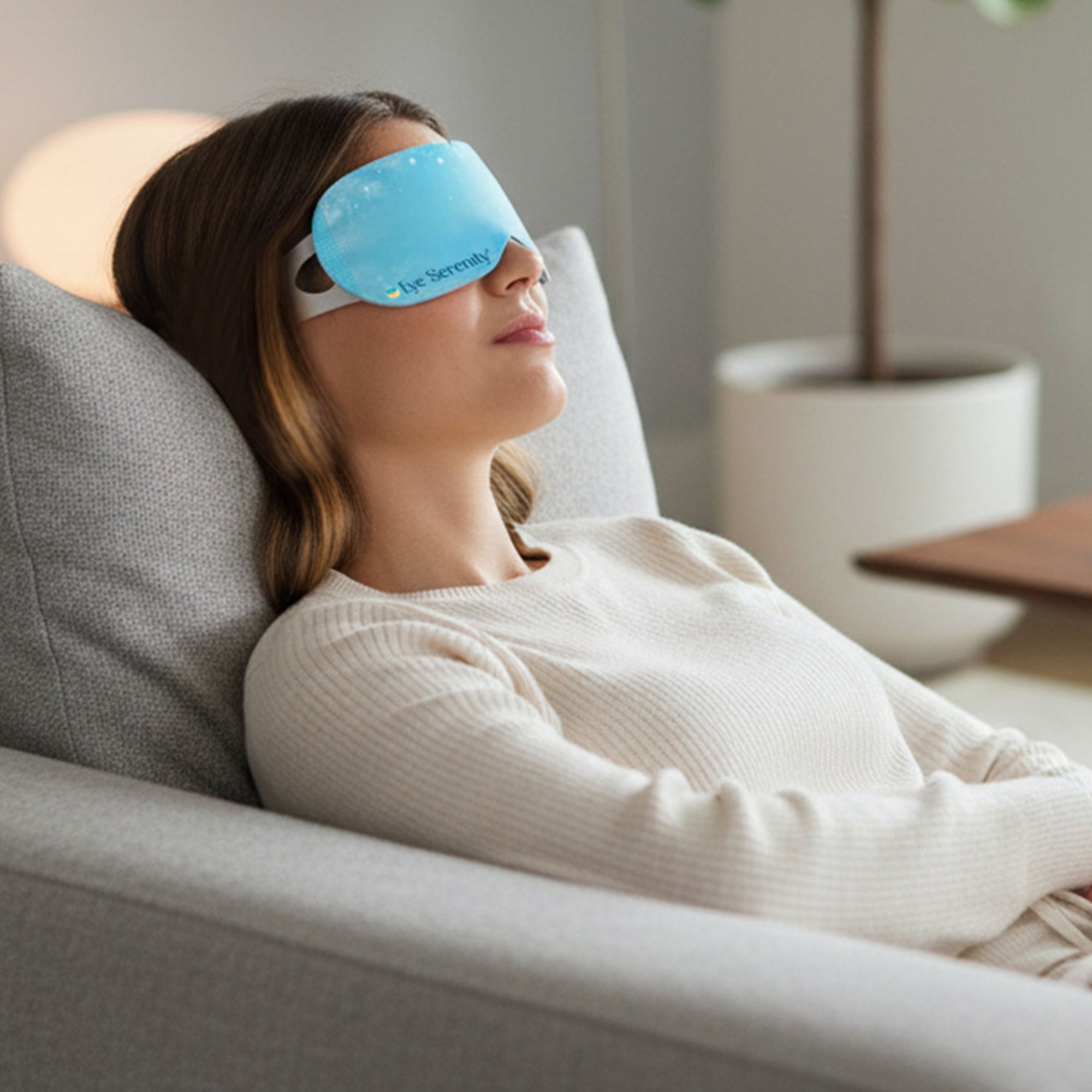
We’ve all been there—waking up with puffy, tired-looking eyes or finishing a long day glued to a screen with a tension headache that just won't quit. It’s an all-too-common feeling, and this is exactly where a simple cold eye mask becomes a true hero for your wellness arsenal.
The magic is in the cold therapy, also known as cryotherapy. It works by gently constricting the blood vessels around your eyes. This simple action helps dial down the inflammation and fluid buildup that create puffiness in the first place. At the same time, the cold can help numb the sensitive nerve endings in the area, offering real relief from tension headaches and sinus pressure.
More Than Just a Quick Fix
This isn't just a temporary beauty hack; it’s an accessible self-care practice that offers a powerful solution to very common discomforts. It’s a small ritual that delivers big results, helping you look and feel more rested, refreshed, and ready to take on the day.
Integrating a cold eye mask into your routine is about more than aesthetics—it’s about actively managing stress and discomfort in a simple, effective way.
A cold eye mask isn't just another beauty accessory; it’s a therapeutic tool. It gives you a dedicated moment to decompress, signaling to your body and mind that it's time to rest and recover from the day's stressors.
When you combine targeted cold therapy with holistic skincare, you’re creating a comprehensive approach to wellness. This guide will walk you through exactly how this simple device can become an indispensable part of your self-care toolkit.
Unpacking the Science Behind the Soothing
Ever wonder why putting something cold over your eyes feels so incredibly good? It’s not just in your head. That deep sense of relief is your body’s smart response to cold therapy, and there’s some fascinating science behind it. Every benefit, from taking down puffiness to easing a pounding headache, is thanks to a chain reaction happening just beneath your skin.
When you place a chilled mask over your eyes, you kickstart a process called vasoconstriction. Think of it like gently pinching a garden hose to slow the flow of water. The cold temperature makes the tiny blood vessels around your eyes temporarily get smaller.
This simple action is the secret sauce behind the mask's best tricks. By slowing down blood flow, it dramatically reduces the amount of fluid that can pool in the delicate tissue under your eyes—the main culprit behind morning puffiness.
Deflating Puffiness and Diminishing Dark Circles
Waking up with puffy eyes is usually just a result of fluid settling in and increased blood flow while you were sleeping. A cold mask works directly against this, constricting those vessels to help drain away the excess fluid and bring down the swelling. You can actually see the difference.
It works in a similar way for dark circles, which are often just dilated blood vessels visible through the thin skin under your eyes. While it’s not a permanent fix, a cold eye mask can temporarily shrink these vessels. The result? Those dark shadows become less obvious, leaving you with a brighter, more awake look.
It’s a simple, non-invasive way to tackle these super common issues.
The steady, gentle cold from an eye mask delivers a targeted anti-inflammatory effect exactly where you need it. This calms redness, soothes irritation, and helps bring back a more even, rested skin tone around your eyes.
Soothing Headaches and Sinus Pressure
If you’ve ever dealt with a tension headache or migraine, you know you’ll try anything for relief. A cold mask can be a true game-changer, and it works on a few different levels.
First, the cold helps to numb the area. It specifically cools the trigeminal nerve, a major facial nerve pathway that’s often the troublemaker in head pain. This numbing sensation helps to dull the sharp, throbbing ache of a headache. It's the same reason an ice pack feels so good on a sprained ankle—it quiets down inflammation and desensitizes the nerve endings.
And if your headache is tied to sinus pressure, a cold mask can help with that, too. Here’s how:
-
Reduces Inflammation: The cold helps shrink the swollen tissues in your nasal passages.
-
Eases Pressure: As the swelling goes down, that feeling of fullness and pressure in your sinuses starts to fade.
-
Provides Numbing Relief: The cool feeling is comforting and provides a welcome distraction from the nagging discomfort.
Activating Your Body’s Relaxation Response
Beyond all the physical benefits, the simple act of using a cold mask has a powerful effect on your nervous system. That combination of light pressure and cooling sensation is a direct signal to activate your parasympathetic nervous system.
This is your body's built-in "rest and digest" mode. When it kicks in, your heart rate slows, your breathing gets deeper, and your whole body shifts into a state of calm. It's a powerful cue for your mind and body to let go of the day's tension, making it the perfect ritual for winding down before bed or just taking a mindful pause when you need it most.
Cold Masks Versus Warm Masks Uncovered
It’s a common wellness crossroads: should you reach for a cold mask or a warm one? The answer isn't about which is "better," but which is right for your goal right now. Picking the correct temperature therapy is the key to unlocking fast, effective relief.
Think of it like basic first aid. A cold mask for eyes acts like an ice pack for a sprain. Its main job is to calm things down—reducing inflammation, swelling, and pain. It does this by constricting blood vessels, which slows down blood flow to the area. This makes it the undisputed champion for tackling puffiness, soothing itchy allergy eyes, and dulling the sharp throb of a headache.
On the flip side, a warm mask is like a heating pad for a sore muscle. Its purpose is to boost blood flow and encourage relaxation. The gentle warmth helps unclog the tiny oil glands along your eyelids, which is a game-changer for dry eye symptoms. It also helps relax the tight facial muscles that lead to eye strain, delivering a deeply comforting, spa-like sensation.
When to Choose Cold Therapy
A cold eye mask is your go-to when inflammation is the main villain. Its ability to constrict blood vessels provides immediate, targeted relief for several common issues.
Reach for a cold mask to address:
-
Morning Puffiness: The cold helps drain excess fluid that’s pooled under your eyes overnight.
-
Allergy Symptoms: It’s fantastic for calming the itchiness and swelling from allergic reactions.
-
Headaches or Migraines: The numbing effect soothes nerve pain and eases tension around the eyes and temples.
-
Post-Workout Redness: It quickly cools down flushed skin after exercise.
When to Choose Warm Therapy
Warmth, on the other hand, is all about encouraging circulation and soothing muscular tension. It’s the perfect choice when your goal is to lubricate dry eyes or simply melt away stress.
Opt for a warm eye mask when you need:
-
Dry Eye Relief: The heat helps liquefy the oils clogging your meibomian glands, improving tear quality.
-
Reduced Eye Strain: It relaxes the tiny, overworked muscles around your eyes after long hours of screen time.
-
Pre-Sleep Relaxation: The gentle warmth is a wonderful signal to your body that it’s time to wind down.
The core principle is simple: Cold constricts to reduce, while warmth expands to release. Cold is for calming acute issues like swelling and pain. Warmth is for relieving chronic conditions like dry eyes and muscle tension.
Making the right choice really just comes down to listening to your body. Is it angry and inflamed, or is it tight and tired?
Got Questions About Cold Eye Masks? Let's Clear Things Up.
Even after you're convinced of the advantages, it's wise to have some practical queries before including a cold mask for eyes like the Eye Serenity Chill Eye Mask in your self-care routine. Understanding the details ensures you can enjoy every calming moment without hesitation.
We'll address common questions here—from usage frequency to the duration of the cooling effect. Let's ensure you're prepared to integrate this wellness tool seamlessly into your life.
Can I Safely Use a Cold Eye Mask Every Day?
Yes, you certainly can. For concerns like chronic puffiness or frequent tension headaches, daily use often leads to noticeable, lasting results. Consistency is beneficial here.
When used correctly, a daily session helps manage inflammation and can become an effective preventive practice. The key is adhering to the right duration for each use.
Consider it like a daily mini-workout for your skin's circulation. To maintain safety and effectiveness, limit each session to 40-60 minutes. This is optimal for reducing swelling and easing tension without causing irritation to the delicate skin around your eyes.
Leaving it on too long may stress the skin, so paying attention to your body and setting a timer is the best way to build a healthy, sustainable routine.
How Long Will the Mask Actually Stay Cold?
This largely depends on the mask's contents. There's a notable difference between gel and clay bead fillers.
-
Gel Masks: These are enduring performers. Gel is designed to absorb and retain cold effectively, providing a consistent chill for the entire 40-60 minute session. Hydrogel eye masks like Eye Serenity Chill Eye Mask offer soothing relief to tired eyes.
-
Clay Bead Masks: These offer a gentler cooling experience. They typically remain perfectly chilled for about 10-15 minutes. While they conform well to your face, the chill may not be as intense by the end.
In summary, a quality gel mask will reliably sustain a full therapy session, while a clay bead mask is ideal for shorter, more comforting cool-downs.
Will a Cold Mask Help with Puffy Eyes from Allergies?
Absolutely. A cold mask is an excellent first defense against the puffy, itchy eyes that allergy season brings. When allergens trigger your immune system, histamines are released, causing blood vessels to swell, leading to puffiness, redness, and itchiness.
A cold eye mask works by promoting vasoconstriction, which narrows the swollen blood vessels, immediately reducing inflammation and fluid buildup.
Moreover, the cooling sensation provides a numbing effect that can quickly soothe that annoying itch. While it won't cure allergies, it’s an effective, drug-free way to manage symptoms and find relief during high-pollen days.
Ready to feel the soothing, de-puffing power for yourself?
The Eye Serenity Chill Eye Mask by Lure Essentials is designed to help soothe puffiness, ease eye strain, and create an instant moment of calm—whether you’re starting your morning or winding down at night. Give your eyes the cool, comforting reset they’ve been craving.


