

Cart
0

If you've ever felt "wired but tired"—that frustrating state of being mentally fried but physically unable to wind down—you've met your stress hormones working overtime. Before we dive into the fixes, it’s worth understanding what’s really going on inside your body when life gets overwhelming.
Your Body's Ancient Response to Modern Problems
Your body has a brilliant, hardwired survival system called the "fight or flight" response. Faced with a genuine threat, like a tiger in the wild, your adrenal glands flood your system with a cocktail of powerful hormones, mainly cortisol and adrenaline.
The problem? Your body can't tell the difference between a tiger and a traffic jam, a looming deadline, or a difficult conversation. The triggers are different, but the chemical response is exactly the same.
Modern stressors trigger an ancient survival response. Your body can't tell the difference between a looming deadline and a real-life threat, keeping cortisol and adrenaline levels chronically elevated and leading to burnout.
This nonstop hormonal drip is what leads to that feeling of burnout, persistent brain fog, and trouble sleeping. Your system is constantly geared up for a fight that never actually happens, and that drains your internal battery, leaving you exhausted. For a deeper look into managing these feelings, you might explore some effective stress and anxiety management strategies.
The Key Players in Your Stress Response
To really get a handle on this, you need to know the main characters in this internal drama.
Adrenaline delivers that instant, heart-pounding jolt of energy. It’s what helps you slam on the brakes to avoid an accident. Your senses sharpen, your heart races, and you're ready for immediate action. It’s powerful, fast, and designed for short-term emergencies.
Cortisol, often called the primary stress hormone, plays a longer game. It keeps you going during a sustained challenge by flooding your body with glucose for quick energy and dialing down non-essential functions. It's incredibly helpful... in short bursts.
When the "threats" never end—the constant ping of emails, financial worries, family obligations—this system stays switched on. That’s when the trouble starts.
Pinpointing a Hormonal Imbalance
Recognizing the signs of chronically high stress hormones is your first step toward getting back in control. When you can connect how you're feeling to what's happening biologically, the solutions we'll discuss next become much more meaningful. You'll understand why they work.
Here’s a quick rundown of the main stress hormones and what it feels like when they're out of whack.
The Main Stress Hormones at a Glance
This table breaks down the key hormones, what they're supposed to do, and the common signs that they've been working overtime for too long.
| Hormone | Primary Function | Signs of Imbalance |
|---|---|---|
| Adrenaline (Epinephrine) | Provides immediate, powerful energy for the "fight or flight" response. Increases heart rate and blood pressure. | Feeling jittery, anxious, or panicky. Experiencing rapid heartbeat, sweating, and sleep disturbances. |
| Norepinephrine | Enhances focus, alertness, and arousal. Works alongside adrenaline to mobilize the brain and body for action. | Increased anxiety, irritability, and restlessness. Can contribute to high blood pressure and difficulty concentrating. |
| Cortisol | Sustains energy during prolonged stress. Regulates metabolism, inflammation, and blood sugar. | Chronic fatigue, brain fog, weight gain (especially around the midsection), sugar cravings, and a weakened immune system. |
Seeing your own symptoms in this table can be an "aha" moment. It’s not just in your head; it’s your biology calling for a change of pace. Understanding this is the foundation for intentionally dialing down that stress response and reclaiming your sense of calm.
Building Foundational Habits to Lower Cortisol
When you're trying to lower stress hormones, the last thing you need is another complicated routine added to your plate. The real secret isn't about a massive life overhaul. It's about weaving small, deliberate habits into your daily life that realign your body’s natural hormonal rhythms.
Think of these as powerful signals you send your nervous system throughout the day—gentle reminders telling it to stand down from high alert. Consistency with just a few key habits can create a solid foundation for hormonal balance and resilience.
This whole process often starts with a single trigger that kicks off a cascade, leading from the stressor to hormonal release and, finally, the symptoms you feel.
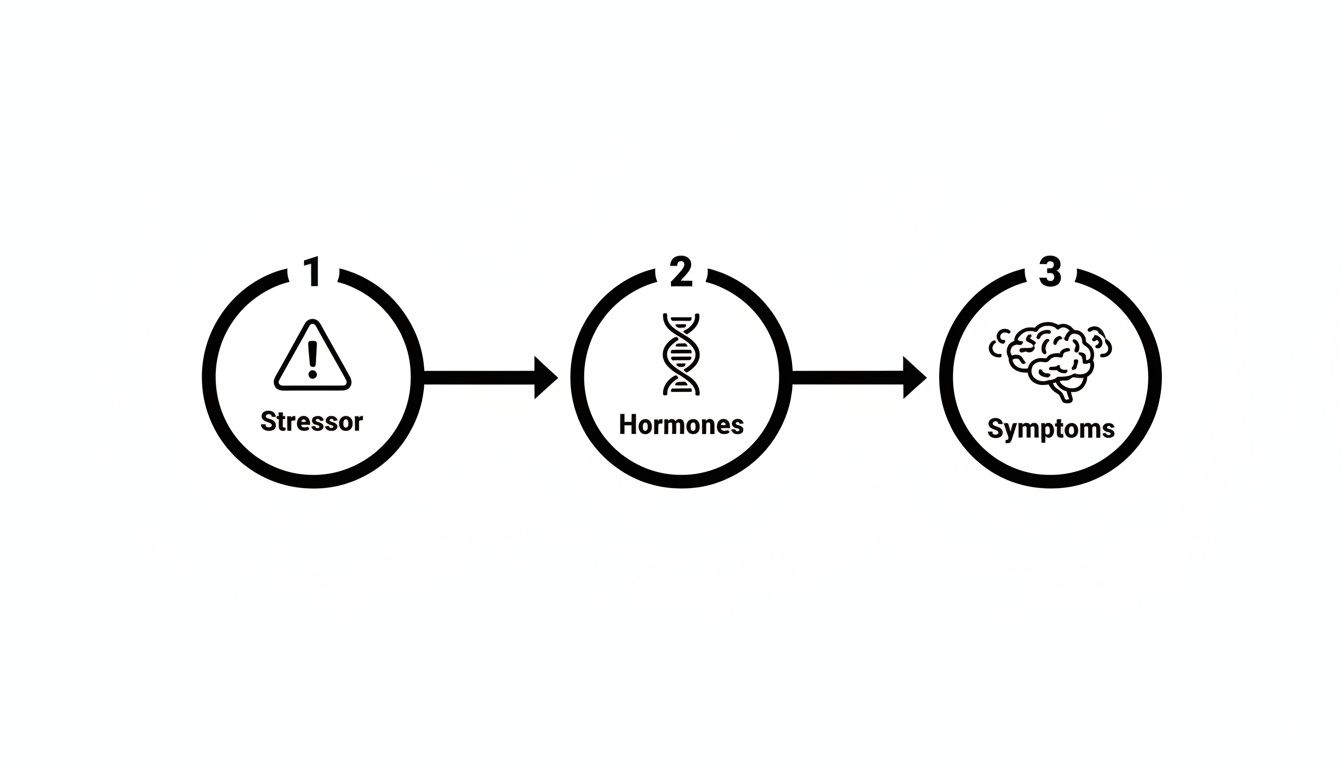
This is exactly why getting ahead of the cycle with proactive, foundational habits works so well. You stop the downstream effects before they even start.
1. Align with Your Circadian Rhythm
Your body runs on an internal 24-hour clock called the circadian rhythm, and it dictates when hormones like cortisol are supposed to rise and fall. In a healthy cycle, cortisol peaks in the morning to get you energized and then slowly winds down as the day ends. Modern life—with its indoor lighting and late nights—throws a major wrench in this natural pattern, often leaving cortisol high when it should be at its lowest.
One of the most effective ways to hit the reset button is getting morning sunlight. Just 10-15 minutes of sun exposure shortly after you wake up, without sunglasses, is a powerful signal to your brain. It shuts down melatonin production and kicks off that healthy morning cortisol surge, which in turn helps ensure it will naturally fall in the evening.
Your body is designed to follow a natural rhythm. By syncing your daily habits with this internal clock—like getting morning sun and avoiding evening blue light—you give your system the clear signals it needs to regulate cortisol effectively.
Another game-changer is creating a "digital sunset." The blue light blasting from our phones, tablets, and computers mimics daylight, tricking your brain into staying in daytime mode. This suppresses melatonin and can keep cortisol artificially elevated right when you need it to drop.
A few simple tweaks can make a huge difference:
-
Power down your screens at least 60-90 minutes before bed.
-
If you must be on a screen, wear blue-light-blocking glasses in the evening.
-
Set your device displays to "night mode" or a warmer color tone after sunset.
These small acts protect your body’s natural wind-down process and set the stage for restorative sleep.
2. The Power of the Nature Pill
Getting outside isn’t just a nice break; it's a science-backed prescription for lowering stress hormones. Research has proven that time in nature has a direct, measurable impact on your physiology. To get a deeper look at managing this key hormone, you can explore the daily routines that show you how to balance cortisol levels naturally.
This idea is often called taking a "nature pill." In one compelling study, researchers found that spending just 20 minutes in a natural setting significantly lowered cortisol levels. The sweet spot for the most efficient drop in stress hormones was between 20 and 30 minutes, spent either walking or sitting somewhere that felt connected to nature.
3. Gentle Movement over Intense Exercise
When you're already running on fumes from chronic stress, your body is in a state of high alert. Grinding through a high-intensity workout can sometimes register as just another threat, causing cortisol to spike even higher.
Instead of punishing gym sessions, shift your focus to restorative movement that calms the nervous system. These types of activities help your body move out of the sympathetic ("fight or flight") state and into the parasympathetic ("rest and digest") mode.
Try weaving one of these into your week:
-
Yoga: A powerful combination of physical postures, breathwork, and meditation.
-
Tai Chi: Often called "meditation in motion," this involves slow, flowing movements.
-
Mindful Walking: Pay attention to the feeling of your feet on the ground and the rhythm of your breath.
-
Swimming: The repetitive motion and sensory experience of being in water can be incredibly soothing.
These foundational habits don’t work in isolation. They build on each other, creating a cumulative effect that helps rebalance your entire hormonal system from the ground up.
Mindfulness Techniques for Immediate Stress Relief
While your foundational habits are building long-term resilience, sometimes you just need relief right now.
We've all been there. That familiar wave of overwhelm washes over you—your heart pounds before a big presentation, or your shoulders tense up in traffic. In these moments, you need tools that work in minutes, not weeks. This is where a little bit of mindfulness can make a world of difference.
Mindfulness isn’t about forcing your mind to go blank. It’s about anchoring yourself in the present moment. This simple act sends a powerful signal to your nervous system, helping it shift from "fight or flight" mode into a calmer "rest and digest" state. It's a direct intervention to halt the production of adrenaline and cortisol.
The beauty of these techniques is how accessible they are. You don’t need a quiet room or a yoga mat. You can use them anywhere, anytime, to regain control the moment stress hits.
1. The Power of Your Breath
Your breath is the most direct remote control you have for your nervous system. Seriously. By consciously changing your breathing pattern, you can physically slow your heart rate, lower your blood pressure, and put the brakes on the stress hormone cascade. One of the most effective ways to do this is with box breathing.
It's a simple, four-step cycle you can do at your desk, in your car, or even in a crowded meeting without anyone noticing.
-
Inhale: Breathe in slowly through your nose for a count of four.
-
Hold: Gently hold your breath at the top for a count of four.
-
Exhale: Slowly breathe out through your mouth for a count of four.
-
Hold: Pause at the bottom for a final count of four before starting again.
This rhythmic pattern is incredibly grounding. Those little holds are crucial—they prevent the shallow, rapid breathing that fuels a stress response and force your body into a state of calm. Just 4-5 cycles can create a noticeable shift in how you feel.
By intentionally slowing your breathing, you are sending a direct physiological message to your brain that the "threat" has passed. This is a powerful biohack to reduce stress hormones on the spot.
2. The Five-Minute Body Scan
When you're stressed, you hold tension in places you don't even realize—a clenched jaw, shoulders creeping up to your ears, a knot in your stomach. A body scan is a quick mindfulness exercise that reconnects your mind to your body, helping you consciously release that stored physical stress.
This is another tool you can use anywhere, but it’s particularly great when you have a few minutes of privacy, like before getting out of your car for an appointment.
Start by closing your eyes and just bringing your attention to your feet. Don't judge, just notice. Are they warm? Cold? Tense? Simply observe.
Slowly move your awareness up your body, section by section—calves, knees, thighs, and so on. As you focus on each part, consciously invite any tension you find to release. By the time you reach the top of your head, you'll feel more grounded in your body and less caught up in anxious thoughts.
3. The Lasting Impact of Mindfulness
These practices offer more than just a temporary fix. When you do them consistently, you're actually rewiring your brain for greater resilience. The entire framework of Mindfulness-Based Stress Reduction (MBSR) has shown remarkable success in this area.
MBSR training has been shown to create significant, lasting improvements in anxiety, stress, and even cortisol levels. In fact, clinical research shows these benefits often stick around for months after the training ends, suggesting these practices create real, neurophysiological changes in how your body handles stress. You can dive deeper into the research and learn how mindfulness creates lasting stress reduction.
This confirms that every time you use a technique like box breathing or a quick body scan, you're not just calming down in the moment. You're building a more stress-resistant nervous system for the future. You are actively learning how to reduce stress hormones from the inside out.
Restorative Rituals to Soothe Your Nervous System
Daily habits are your foundation, but creating intentional, restorative rituals can take your nervous system from surviving to thriving. These aren't just more tasks to check off a list. Think of them as protected moments designed to shift your body out of high-alert mode and into a state of deep recovery.
Turning a simple action into a powerful ritual is all about intention. When you bring mindfulness to these practices, you amplify their physiological benefits, sending clear signals of safety to your brain and dialing down stress hormone production.
1. Create a Soothing Evening Wind-Down
Your body's most important repair work happens while you sleep, but high evening cortisol can bring that process to a grinding halt. A dedicated wind-down routine is non-negotiable; it signals to your body that it’s time to shift from "doing" to "being," allowing cortisol to drop naturally.
An excellent enhancement to this lineup is the inclusion of Sole Serenity Worry-Free Cortisol Foot Pads. While you sleep, these pads can support your body's natural detoxification pathways. Applying them each night can become a small, grounding ritual. Try doing it while sipping herbal tea or listening to a guided meditation to reinforce that transition into a restorative state.

By transforming simple, beneficial actions into mindful rituals, you create powerful psychological cues that enhance their physical effects. This intentionality is what turns a routine into a recovery practice.
2. Use Temperature to Reset Your System
A rapid change in body temperature can hit the reset button on your nervous system and stress hormones. The easiest way to do this at home is with a contrast shower.
This simple practice involves switching between hot and cold water. It invigorates your system, fires up circulation, and over time, builds incredible resilience to stress.
Here’s a simple protocol to follow:
-
Start with a normal warm shower for 3-5 minutes.
-
Switch the water to as cold as you can handle for 30-60 seconds. Breathe through it.
-
Go back to hot water for 1-2 minutes to relax.
-
Repeat the cycle 2-3 times, making sure to end on cold.
This quick ritual can leave you feeling clear-headed, energized, and surprisingly calm all at once.
3. Serenity with Steam Eye Masks
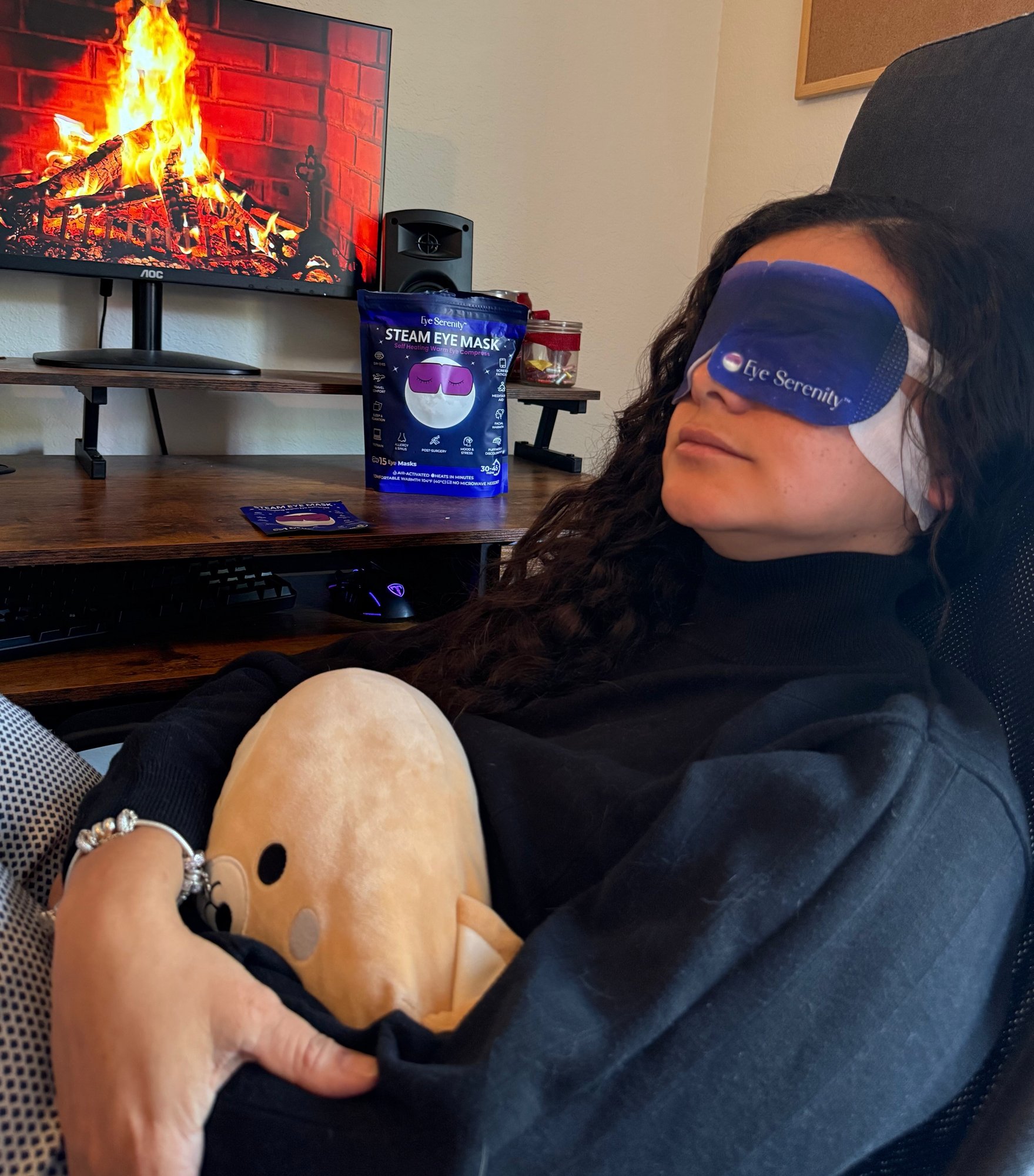
Incorporating Eye Serenity Steam Eye Masks into your routine can offer additional relaxation and stress relief. These self-heating masks provide a warm eye compress that soothes tired eyes and supports relaxation. Use them as part of your evening routine to promote calmness and ease tension. Just place a mask over your closed eyes for about 30-45 minutes to drift into a serene state, preparing yourself for restful sleep.
💡 Common Questions About Reducing Stress Hormones
As you start putting these strategies into play, you're bound to have some questions. It’s only natural. Getting the details right can make all the difference between feeling a little better and truly transforming how you feel. Let's tackle the most common questions I hear, so you can move forward with confidence.
How Long Does It Take to Naturally Lower Cortisol Levels?
This is the big one, and the honest answer is: it depends on your consistency. But the good news is you can feel some benefits almost immediately.
Techniques like box breathing or even just a five-minute walk outside can knock down cortisol and adrenaline right in the moment. Think of these as your emergency brakes for when you feel that wave of overwhelm hitting.
For long-term, lasting change, it's all about stacking those small, consistent habits. When you start getting morning sun, prioritizing your sleep, and eating balanced meals day after day, most people start to feel a real shift in their energy, mood, and ability to handle life within 2 to 4 weeks. It's not a quick fix; it’s about recalibrating your entire system.
Can Some Exercise Make Stress Hormones Worse?
Yes, absolutely. This is a critical point that so many people miss. While movement is a powerful stress-buster, the wrong kind of exercise at the wrong time can backfire, big time.
When your body is already running on fumes from chronic stress, intense workouts like HIIT, heavy lifting, or long runs can feel like another major threat. Your body doesn't know you're at the gym; it just knows it's under attack, and it pumps out even more cortisol to cope. While that's a normal response for a healthy athlete, it’s the last thing you need when your goal is to calm down.
Instead, your focus should be on movement that tells your nervous system it's safe.
-
Yoga: The combination of gentle movement and focused breathing is a direct signal to your body to relax.
-
Walking in nature: Getting outside doubles the benefit. You get gentle movement plus the proven stress-reducing effects of being in a natural environment.
-
Swimming: There's something incredibly calming about the rhythmic motion and the sensory experience of being in the water.
-
Tai Chi: Often called "meditation in motion," its slow, deliberate movements are designed to soothe the nervous system.
These activities help your body clear out stress hormones and release feel-good endorphins without pushing you further into overload.
The most common mistake I see is people trying to "sweat out" their stress with grueling workouts when their body is screaming for rest. Learning to listen and choose restorative movement is one of the most powerful shifts you can make.
What Are the Biggest Mistakes to Avoid?
Sometimes, knowing what not to do is just as important. Sidestepping these common pitfalls will help you make real, sustainable progress without burning out.
The number one mistake is trying to do everything at once. If you try to perfect your diet, sleep schedule, exercise routine, and meditation practice all in the first week, you're just creating a new source of stress. You'll burn out and quit. Instead, pick one or two small things that feel easy. A 10-minute walk after lunch. No phone for an hour before bed. Start there.
Another trap is thinking supplements can do all the heavy lifting. While they can be fantastic tools to support your efforts, they aren't magic pills. They can't make up for poor sleep, a diet full of processed foods, or a complete lack of downtime. Think of them as amplifiers for the good habits you're already building.
Finally, don't ignore the source of the stress. You can do all the breathing exercises in the world, but if you don't address the underlying issues—whether it’s a toxic job, a difficult relationship, or old patterns—you'll always be fighting an uphill battle. A truly effective plan has to address both the body and the mind.
The stakes are higher than we think. Unmanaged stress isn't just about feeling bad; it has a staggering global impact. Nearly one-third of adults now see stress as their country's biggest health problem. Physiologically, the cost is severe. Studies have shown that 30-year-old men under heavy stress can see a 2.8-year reduction in life expectancy; for women, it's a 2.3-year reduction. But here's the hopeful part: lifestyle changes work. Research shows that around 75% of people who participate in behavioral stress-reduction programs see significant drops in their cortisol levels. You can read more about these global stress statistics and their impact.
Ready to enhance your self-care rituals? Lure Essentials offers Sole Serenity Worry-Free Cortisol Foot Pads and Eye Serenity Steam Eye Masks to support your relaxation journey.


