

Cart
0

To effectively address under-eye bags, it helps to take a two-pronged approach: short-term techniques to manage daily puffiness and long-term habits that support eye-area wellness over time.
Cold compresses and elevated sleep can help reduce morning swelling, while consistent hydration, skincare, and lifestyle habits play a role in maintaining smoother-looking under-eyes. Another supportive addition many people find helpful is incorporating gentle warmth and relaxation rituals into their nightly routine.
What Really Causes Bags Under Your Eyes?
Before you can tackle those frustrating shadows, you have to understand what you’re really up against. Under-eye bags are rarely just about being tired. They’re usually a mix of different factors—some we can control, and others that are just written into our DNA.
The Role of Aging and Genetics
As the years go by, the delicate tissues and muscles that hold everything up around our eyes start to weaken. It’s a natural process, sped up by the slowdown in collagen and elastin production—the very proteins that keep our skin firm and bouncy.
When this support system gives way, the fat pad that normally cushions the eye can slip downward and settle under the eye. Voilà, a puffy bag appears. Genetics also has a huge say in this; if your parents have prominent eye bags, there’s a strong chance you’ll be more prone to them, no matter how healthy your lifestyle is.
The under-eye area is one of the first places to show signs of aging because the skin there is thinner and more delicate than anywhere else on the face. This makes it extra vulnerable to both internal changes and environmental stress.
Lifestyle Factors You Can Actually Control
While we can’t stop time, we can definitely manage the daily habits that make eye bags look worse. Pinpointing these triggers is the first real step toward taking back control.
-
Fluid Retention: A diet high in sodium is public enemy number one. Salt makes your body hang onto water, and this extra fluid loves to pool in the soft tissue under your eyes, causing that tell-tale puffiness, especially when you first wake up.
-
Lack of Sleep: Sure, one late night can leave you looking swollen, but chronic sleep deprivation is the real problem. It can weaken the skin over time and lead to bags that just won't go away.
-
Allergies and Dehydration: Seasonal allergies don't just make you sneeze; they trigger histamines that cause inflammation and swelling. In the same way, not drinking enough water signals your body to retain fluid as a survival mechanism, which can show up right under your eyes.
Experts often point out that under-eye bags are a perfect storm of skin laxity, volume loss, and lifestyle. Clinicians see younger people with structural, genetic predispositions, while those in their late 20s and beyond often deal with a combination of shifting fat pads and volume loss. To get a deeper clinical perspective on what causes under-eye bags and effective treatments, you can explore the full spectrum of factors and solutions.
Quick Fixes for Puffy Eyes You Can Use Today
Waking up with puffy eyes when you’ve got a big day ahead is beyond frustrating. The good news? You don't have to just live with it. A few simple, highly effective tricks can bring that swelling down and help you look refreshed in just a few minutes.
Most of these fixes work by targeting the main culprit behind morning puffiness: fluid retention. By applying some basic science, you can help move that trapped fluid along and constrict blood vessels, which visibly reduces the appearance of bags almost instantly.
The Benefits of Cold Therapy
Applying something cold under your eyes is an effective method to reduce puffiness quickly. The cold temperature constricts blood vessels, which reduces swelling and inflammation. This is a well-known technique because it consistently delivers results.
There's no need for specialized equipment either. Simple kitchen items can achieve the desired effect.
-
Chilled Spoons: Place two metal spoons in the refrigerator for 10-15 minutes. Then, gently press the curved back of the spoons against your under-eye area for a few minutes.
-
Gel Eye Masks: Keep a reusable gel eye mask in your fridge, such as the Eye Serenity CHILL Cooling Eye Mask, so it's always ready. These masks are beneficial as they contour to your face and provide a consistent, soothing cold.
-
Cool Compresses: Moisten a soft washcloth with cold water and place it over your closed eyes, applying gentle pressure for five to ten minutes.
Quick Tip: Avoid placing items directly from the freezer onto your skin. The extreme cold can harm the delicate skin around your eyes. Use items from the refrigerator or ensure there’s a cloth barrier.
Strategic Sleep and Hydration Habits
While cold compresses are fantastic for an immediate fix, a few small tweaks to your daily routine can stop that fluid from pooling in the first place. Think of these as simple but powerful preventative measures.
Elevate Your Head
Sleeping with your head propped up on an extra pillow uses gravity to your advantage. This tiny change helps prevent fluid from settling under your eyes while you sleep. If you're a stomach or side sleeper, you'll probably notice a huge difference.
Hydrate Smartly
It sounds backward, but drinking more water actually helps reduce fluid retention. When your body is dehydrated, it panics and holds onto every last drop, which can lead to swelling. Staying well-hydrated tells your body it’s okay to let go of that excess fluid.
Gentle Massage for Lymphatic Drainage
Another great on-the-spot technique is a gentle massage to encourage lymphatic drainage. Your lymphatic system is responsible for clearing waste and fluid from tissues, but sometimes it needs a little help getting started. A light-touch massage can physically move stagnant fluid away from the eye area.
Using your ring finger (it naturally has the lightest touch), gently tap in a semi-circle from the inner corner of your eye out towards your temple. Repeat this light tapping motion 5-10 times. It’s a simple way to manually drain that excess fluid and instantly de-puff the area.
Long-Term Habits for Preventing Under Eye Bags
While quick fixes are fantastic for getting you through the day, the real secret to keeping under-eye bags away for good is playing the long game. It all comes down to your daily habits. Think of it as building a strong defense against puffiness over time with small, consistent efforts that deliver lasting results.
This isn't just a minor issue, either. Under-eye bags become a much bigger concern as we age. Research shows that while 39% of people with no visible bags might still think they have them, that number skyrockets to 92% for those with the most severe cases. It's one of the top reasons people look for cosmetic solutions, which is why having effective, noninvasive strategies you can use at home is so important. You can dig into the full findings on periorbital aging here.
These preventative habits aren't complicated, but consistency is everything.
Master Your Sleep Hygiene
Getting enough sleep is non-negotiable, but how you sleep can make all the difference. Just hitting that eight-hour mark won’t cut it if your sleep quality is low or your position is actually making the puffiness worse. The goal is to create an environment that supports deep, restorative rest while minimizing fluid retention.
-
Elevate Your Head: Just like with quick fixes, sleeping with an extra pillow is a powerful long-term strategy. Gravity becomes your best friend, preventing fluid from pooling under your eyes while you sleep.
-
Stick to a Schedule: Going to bed and waking up around the same time every day—yes, even on weekends—helps regulate your body’s internal clock. This leads to deeper, more restorative sleep cycles, giving your skin the time it needs to repair and regenerate.
-
Create a Sleep Sanctuary: Turn your bedroom into a haven for rest. Keep it dark, quiet, and cool. Power down your screens at least an hour before bed, because the blue light they emit can seriously disrupt your natural sleep cycle.
Fine-Tune Your Diet and Hydration
What you put into your body has a direct, visible impact on the delicate skin around your eyes. A few simple adjustments to what you eat and drink can dramatically reduce that morning puffiness and protect your skin from the inside out.
Watch Your Salt Intake
Sodium is the biggest culprit behind fluid retention. You don't have to cut it out completely, but being mindful of high-sodium foods like processed snacks, canned soups, and fast food will make a huge difference. Try swapping salty chips for fresh fruits or veggies instead.
Load Up on Antioxidant-Rich Foods
Antioxidants are your skin's personal bodyguards, protecting it from damage and supporting collagen production. Make sure your diet includes plenty of these:
-
Berries and citrus fruits (packed with Vitamin C)
-
Leafy greens like spinach and kale
-
Colorful veggies like bell peppers and sweet potatoes
A personal tip: I saw a massive reduction in morning puffiness when I stopped adding salt to my evening meals and made sure to drink a big glass of water about an hour before bed. It’s such a simple change, but the results were undeniable.
Protect Your Skin from Daily Stressors
Two of the most overlooked causes of under-eye bags are sun exposure and allergies. Tackling these external factors is a non-negotiable part of any solid prevention strategy.
Never, Ever Skip Sunscreen
UV exposure is a wrecking ball for collagen and elastin, the two proteins that keep your under-eye skin firm and bouncy. This breakdown speeds up the aging process and can make bags far more prominent. You need to apply a broad-spectrum SPF 30 or higher around your eyes every single day—even when it's cloudy.
Get Your Allergies Under Control
Seasonal allergies trigger a release of histamines in your body, which leads to inflammation and swelling (hello, puffy eyes). If you're an allergy sufferer, talk to your doctor about finding an effective antihistamine. It won't just relieve your itchy eyes and sneezing; it will also stop the inflammatory response that contributes to under-eye bags.
For an at-a-glance guide, here is a simple checklist to help you build these habits into your daily routine.
Daily Prevention Checklist for Under-Eye Health
| Habit | Why It Helps | Simple Action |
|---|---|---|
| Elevated Sleep | Uses gravity to prevent fluid from pooling under the eyes overnight. | Add a second pillow or use a wedge to prop up your head. |
| Consistent Hydration | Prevents the body from retaining water due to dehydration. | Aim for 8 glasses of water daily; sip consistently, don't chug. |
| Reduced Sodium | Minimizes fluid retention, a primary cause of puffiness. | Avoid processed foods and added salt, especially at dinner. |
| Daily SPF | Protects collagen and elastin from UV damage, keeping skin firm. | Apply broad-spectrum SPF 30+ around the eyes every morning. |
| Allergy Management | Reduces histamine-related inflammation and swelling. | Take a daily antihistamine during allergy season if needed. |
| Screen-Free Wind-Down | Avoids blue light, which can disrupt restorative sleep cycles. | Put your phone and tablet away at least one hour before bed. |
Making these small adjustments a part of your everyday life will create a powerful foundation for healthier, brighter-looking eyes for years to come.
Choosing the Right Topical Treatments
Walking into the skincare aisle can feel like a trap. You’re hit with a wall of products all screaming promises to erase your under-eye bags for good. But here’s the thing: most of it is just marketing noise.
The secret isn’t in the fancy packaging; it’s in the ingredient list. A good eye cream isn't just a souped-up moisturizer. It's a targeted formula packed with active ingredients designed specifically for the thin, delicate skin under your eyes. To win this battle, you have to become an ingredient detective and look for the science, not the sales pitch.
Powerhouse Ingredients to Look For
Forget the fluff. These are the workhorses you want to see high up on the ingredient list. They’re the ones that actually make a difference when it comes to puffiness and firmness.
-
Caffeine: Just like your morning espresso shot, caffeine is a vasoconstrictor. In simple terms, it tightens up the blood vessels under your skin, which can quickly and visibly reduce that puffy, baggy look. It’s your go-to for a fast fix.
-
Peptides: Think of these as little drill sergeants for your skin cells, telling them to get back to work producing collagen. More collagen means firmer, stronger skin that can better hold back the underlying fat pads that cause bags.
-
Hyaluronic Acid: This is a hydration hero. It can hold up to 1,000 times its weight in water, which means it plumps the skin from the inside out. This smooths out fine lines and makes the whole area look less hollow, which helps camouflage the bags.
-
Vitamin K Oxide: Often overlooked, this is a fantastic ingredient for tackling the dark, shadowy circles that often come along with puffiness. It works by improving circulation and minimizing that discolored look.
Be realistic with your expectations. Caffeine can give you a quick de-puffing boost, but real change takes time. Ingredients like peptides need consistent, daily use—often for 4 to 12 weeks—to build enough collagen for you to see a difference. Patience is everything.
The Right Way to Apply Eye Cream
You can buy the most expensive, scientifically-advanced eye cream on the planet, but if you slather it on wrong, you might as well be throwing your money away. The skin around your eyes is the thinnest on your entire body. Rubbing and pulling at it will only make things worse, breaking down the very collagen you’re trying so hard to build.
Follow the "Pat, Don't Rub" Method
This isn't just a suggestion; it's a rule. Gentle application is key to getting the product to work without causing more damage.
-
Get the Amount Right: Start with a tiny, pea-sized amount on the back of your hand. It's always easier to add more than to take away excess.
-
Use Your Weakest Finger: Your ring finger naturally has the lightest touch, making it perfect for this delicate job.
-
Tap It In: Gently tap small dots of the cream in a semi-circle around your eye. Start from the inner corner, move down and out along the orbital bone (the bone you can feel under your eye), and continue up toward your brow bone.
-
Let It Absorb: Keep tapping lightly until the cream has mostly soaked in. Never, ever pull or stretch the skin.
This gentle patting motion does more than just apply the product; it also stimulates circulation in a healthy way, helping your chosen treatment work its magic.
Steam Eye Masks as a Nightly Ritual
Beyond topical creams and lifestyle habits, many people turn to noninvasive at-home wellness tools to support eye comfort and relaxation as part of their evening routine.
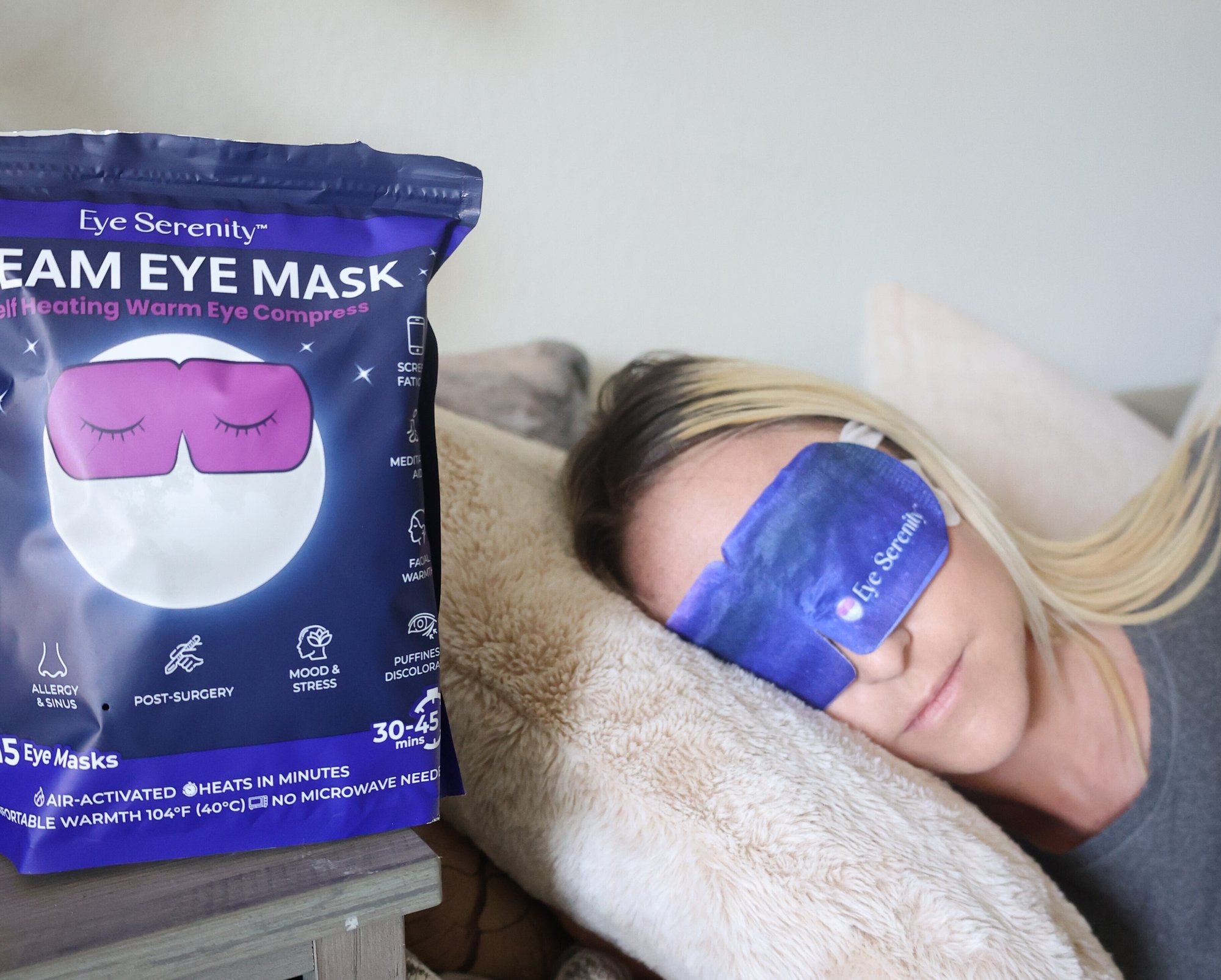
Self-heating steam eye masks provide consistent, gentle warmth that can help the eye area unwind at the end of the day. While they are not designed to treat under-eye bags directly, they may help by addressing contributing factors such as eye strain, tension, and disrupted sleep.
Using a steam eye mask before bed may support:
• Relaxation of the eye area after screen use
• Improved comfort for tired or dry eyes
• A calmer transition into sleep, which is essential for overnight fluid balance
One option designed for this purpose is Eye Serenity Steam Eye Masks, which activate automatically and deliver soothing warmth without microwaving or refrigeration.
When under-eye bags are influenced by poor sleep, stress, or eye fatigue, supporting rest and nightly relaxation can play a meaningful role in how refreshed the under-eye area looks over time.
Your Questions on Under Eye Bags Answered
Even with the best game plan, questions pop up when you're trying to get rid of under-eye puffiness. Let's clear up some of the most common ones so you know exactly what to expect.
Think of this as your personal troubleshooting guide. Understanding the "why" behind each method is just as crucial as knowing the "how."
How Long Does It Really Take to See Results?
The honest answer is that it depends on the cause of the puffiness and the method you're using. There's no set timeline.
Here’s a realistic breakdown of what you can expect:
-
Immediate Fixes (Minutes): If you need to look refreshed quickly, a cold compress or a chilled gel mask is effective. The cold constricts blood vessels, reducing swelling in just 5-10 minutes. It's a temporary but effective solution.
-
Lifestyle Changes (Days to Weeks): Experiencing more puffiness after a salty meal or a late night? If fluid retention is the issue, changes can occur rapidly. Reducing salt and increasing water intake can lessen morning puffiness within a few days.
-
Topical Treatments (Weeks to Months): Skincare requires patience. While caffeine creams can provide a temporary tightening sensation, ingredients like peptides need regular use. Expect 4-12 weeks of daily application for noticeable firming effects.
-
At-Home Tools (Immediate & Cumulative): Facial cups can offer an immediate lift by promoting lymphatic fluid movement. Over time, with regular use for several weeks, they can improve circulation and skin tone.
-
Steam Eye Masks (Immediate & Short-term): Using steam eye masks can provide immediate relaxation and help reduce puffiness temporarily. The gentle heat soothes the area around the eyes, offering a short-term reduction in swelling and a comforting experience.
Can Dehydration Really Cause Under Eye Bags?
Absolutely. It seems backward, but not drinking enough water is a huge trigger for puffiness. When your body senses dehydration, it goes into survival mode and clings to every last drop of water it can find. The delicate, spongy tissue under your eyes is a prime storage spot.
This is what leads directly to that puffy, swollen look. On top of that, dehydration makes your skin look dull and thin, which casts shadows and makes any existing bags look so much worse. Staying hydrated is one of the simplest and most powerful things you can do for your skin.
It's a common myth that drinking less water will reduce puffiness. The opposite is true. Proper hydration sends a signal to your body that it’s safe to release that stored fluid, helping to flush your system and bring down the swelling.
Are There Any At-Home Treatments I Should Avoid?
Yes, and this is non-negotiable: be gentle. The skin around your eyes is the thinnest on your entire body, making it incredibly easy to damage. Some of the DIY "hacks" you see online can cause more harm than good.
Steer clear of these, always:
-
Harsh DIY Ingredients: Never put things like undiluted lemon juice, baking soda, or potent essential oils anywhere near your eyes. They can wreck your skin’s pH balance, causing severe irritation or even chemical burns.
-
Aggressive Tool Use: When using facial cups, never use strong suction or let the cup sit in one spot. That’s a fast track to bruising and breaking tiny capillaries. The goal is always a light touch and a smooth, gliding motion.
-
Rubbing and Pulling: Vigorously rubbing in eye cream or pulling at your skin when applying makeup is a major no-no. It physically breaks down collagen and elastin, fast-tracking the exact sagging and fine lines you're trying to prevent.
When Should I See a Doctor for Under Eye Bags?
While most under-eye bags are just a cosmetic issue, they can sometimes be a red flag for an underlying health problem. It's important to listen to your body and see a doctor if you notice anything out of the ordinary.
Make an appointment if the swelling is:
-
Severe and doesn't go away
-
Paired with pain, itching, or redness
-
Appears suddenly out of nowhere
-
Only happening under one eye
Symptoms like these could point to anything from severe allergies to a thyroid condition or even kidney issues. A dermatologist is also your best resource for discussing professional treatments like laser therapy or fillers if at-home methods aren't giving you the results you’re hoping for.
Final Takeaway
Under-eye bags are rarely caused by one single factor. Genetics, sleep habits, hydration, and daily strain all play a role. While cold therapy can help manage puffiness quickly, long-term results often come from supporting rest, relaxation, and consistency.
Incorporating a calming evening ritual such as a Steam Eye Mask may help reduce the lifestyle contributors that make under-eye bags more noticeable, especially when paired with healthy sleep habits and hydration.


