

Cart
0

So, is cupping actually good for you? For a lot of people, the answer is a definite yes. It’s a powerful and ancient therapy that’s fantastic for managing nagging pain, releasing those stubborn knots in your muscles, and helping you find a state of deep relaxation.
But let's be clear: it's not a magic bullet. Cupping isn't a one-size-fits-all solution, and your results will really depend on your specific health needs and what your body is dealing with.
Decoding the Hype Around Cupping
The easiest way to think about cupping is as a "reverse massage." A traditional massage pushes down into your muscles to work out tension. Cupping does the exact opposite. It uses gentle suction to lift the skin and the soft tissue underneath it.
This simple lifting action is where the magic happens. It creates space, allowing fresh, oxygen-rich blood to flood into areas that were tight, restricted, or stagnant. Imagine gently unkinking a garden hose—the water suddenly flows freely again. That’s what cupping does for your circulation. This process is about more than just feeling good; it’s a proactive way to get to the root of your discomfort.
Setting Realistic Expectations
It's really important to know who tends to get the most out of this practice. Cupping is especially effective if you’re dealing with:
-
Chronic Muscle Tension: It's a lifesaver for those persistent knots in your neck, shoulders, and back, especially the kind that comes from long hours at a desk or chronic stress.
-
Athletic Recovery: Athletes and active people love it for reducing muscle soreness and speeding up the repair process after a tough workout.
-
General Stiffness: It’s also excellent for anyone who just feels “stuck” or has limited flexibility and wants to improve their range of motion.
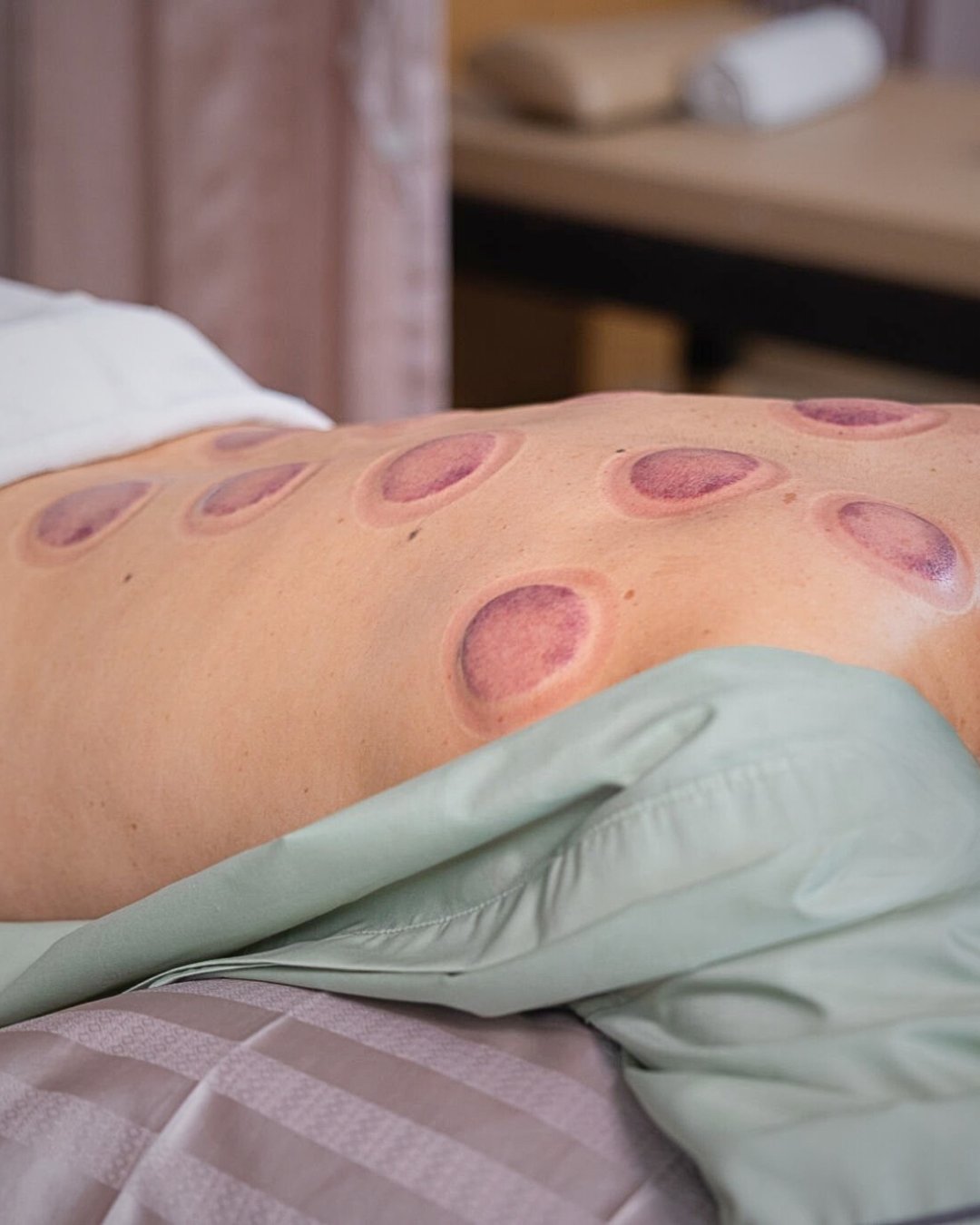
And what about those famous round marks? They aren’t bruises. Think of them as a visual sign that the therapy is doing its job, pulling stagnant blood and metabolic waste up to the surface so your body can clear it away. The color of the marks can even give your practitioner clues about the level of stagnation in that specific spot.
Once you grasp that core principle—pulling instead of pushing—it’s easy to see why cupping has stuck around as a trusted wellness tool for centuries.
How Cupping Actually Works on Your Body
To really get why cupping might be good for you, we have to look past those tell-tale circular marks and see what’s happening underneath the skin. When a practitioner places a cup on you, it creates a vacuum—a gentle suction that lifts the skin, fascia, and muscle tissue upward.
This is the exact opposite of a deep-tissue massage. Instead of pushing down and compressing muscle fibers, cupping pulls them up, decompressing them. Think of a stubborn knot in a rope; pressing down on it just tightens it. But if you gently pull the rope from both ends, you create the space needed to work the knot free. That decompression is the magic behind how cupping works.
This simple action kicks off a whole cascade of responses in your body. The suction creates a focused area of tension, which basically tells your body, "Hey, pay attention here!" and sends a rush of healing resources right to that spot.
Igniting a Healing Response
The first thing that happens is vasodilation, which is just a fancy word for your blood vessels widening. As they expand, a flood of fresh, oxygen-rich blood pours into the area. It’s like watering a patch of dry, compacted soil in your garden—the water softens everything up and brings vital nutrients to the grassroots, helping them thrive.
This fresh circulation is a game-changer for flushing out metabolic waste and other gunk that gets trapped in tight, stagnant tissues. This is a huge reason why cupping can feel so amazing for post-workout soreness or that nagging stiffness that just won’t go away.
Calming Your Nervous System
Beyond just the physical pulling, cupping has a surprisingly deep effect on your nervous system. That sustained, gentle suction stimulates the sensory nerves in your skin, sending a message straight to your brain to activate the parasympathetic nervous system.
This is your body's "rest and digest" mode. When it kicks in, your heart rate slows, your breathing gets deeper, and your entire body shifts into a state of deep relaxation. It explains that blissed-out, almost meditative feeling many people talk about after a session.
This isn't just a vibe; it's a real biological shift. Cupping helps dial down stress hormones like cortisol and coaxes your body into a state of recovery—which is vital for both your mental and physical health.
Interrupting Pain Signals
If you're dealing with chronic pain, this is where cupping gets really interesting. The therapy has been shown to reduce the concentration of certain neuropeptides, like substance P, which are the chemical messengers that scream "PAIN!" to your brain.
By lowering the amount of these pain messengers in a treated area, cupping essentially turns down the volume on your body's pain alarms. This can bring immediate relief and help break that vicious cycle of chronic pain and muscle guarding. Research shows cupping works through multiple pathways, from changing white blood cell counts to boosting that calming parasympathetic activity. One study even found that skin temperature at a key acupuncture point rose from 30.6°C to 32.7°C after cupping, a clear sign of increased local blood flow. You can read the full research about these physiological effects if you want to dive into the data.
So, cupping is way more than just the marks it leaves behind. It’s a complex process that:
-
Decompresses tight, knotted tissue to create space and relieve tension.
-
Boosts blood flow to nourish muscles and clear out metabolic waste.
-
Calms the entire nervous system to promote genuine relaxation.
-
Interrupts pain signals right at the source, on a chemical level.
When you see how all these actions work together, it’s easy to understand how this ancient practice delivers such modern, science-backed benefits.
The Science-Backed Benefits of Cupping
So, what's all the buzz about? We've all seen the signature circular marks, but what can cupping genuinely do for you? While the practice is ancient, modern science is finally catching up, and the results are pretty exciting.
Let's cut through the noise and look at the real, evidence-backed benefits—the kind that make a difference in your day-to-day life, from easing chronic pain to helping you bounce back faster after a workout. It all comes down to how your body reacts to that gentle suction, and understanding that is key to seeing how cupping can fit into your own wellness routine.
Powerful Relief for Chronic Pain and Headaches
This is where cupping truly shines. For anyone dealing with that nagging low backache, a stiff "tech neck" from hunching over a screen, or even stubborn headaches, cupping offers a targeted way to find relief without reaching for a pill bottle.
The therapy works by creating negative pressure, lifting and decompressing tight, knotted-up tissues. This brings a rush of fresh blood to the area, which helps calm inflammation and dial down pain signals. A major review of multiple studies confirmed that cupping is a genuinely effective tool for managing chronic pain, especially for issues like low back pain and persistent neck stiffness.
The numbers are pretty striking. One study on neck pain found that before treatment, participants rated their pain at a 9.7 out of 10. After just a single cupping session, that score dropped to 3.6—that’s a massive 62.9% reduction in how much pain they felt.
Another study looking at inflammatory conditions showed wet cupping slashed average headache severity by 66% and reduced the number of headache days by nearly 13 per month. You can discover more insights about these pain reduction findings directly from the research.
Getting this level of relief from a non-invasive therapy is a big deal. It shows just how powerful cupping can be as a standalone treatment or as a complement to your existing pain management plan.
Accelerated Muscle Recovery for Active Lifestyles
If you’re an athlete or just love a good workout, you know the feeling of Delayed Onset Muscle Soreness (DOMS). That deep ache is the result of tiny micro-tears in your muscle fibers from intense exercise. Cupping is like a secret weapon for speeding up your recovery time.
The suction doesn't just feel good; it physically stretches the muscle and the connective tissue, or fascia, that surrounds it. More importantly, it dramatically boosts local circulation, acting like a high-powered flushing system to clear out metabolic waste products (like lactic acid) that build up and cause that familiar soreness.
Think of it this way: your muscles after a tough workout are like a city street clogged with traffic and debris. Cupping is the clean-up crew that comes in, clears the congestion, and gets everything flowing smoothly again.
Aesthetic Benefits for Skin and Cellulite
Beyond pain and recovery, cupping has become a go-to for its skin-enhancing benefits—a huge reason so many in the Lure Essentials community swear by it. The same principles that soothe sore muscles can also visibly improve your skin's appearance.
It's particularly effective for:
-
Improving Skin Tone: By pulling fresh, oxygenated blood to the skin's surface, cupping nourishes the cells and can give you a healthier, more vibrant complexion and a natural glow.
-
Reducing the Appearance of Cellulite: Cellulite often involves fibrous bands pulling down on the skin, creating that dimpled look. Dynamic cupping (where a cup is glided over oiled skin) helps to break up these fascial adhesions and stimulates lymphatic drainage. This process helps flush out excess fluid, leading to a smoother, more toned appearance over time.
When you see the science, it's clear that cupping is so much more than an ancient fad. It's a versatile therapy that tackles a whole range of modern wellness goals, from deep-seated pain to glowing skin.
Understanding the Risks and Side Effects
Any responsible approach to wellness means looking at the whole picture—the amazing benefits and the potential risks. So, when we ask, is cupping good for you, we have to talk about safety. The good news? For most people, when it's done correctly, cupping is an incredibly safe, low-risk therapy.
First, let's talk about those iconic circular marks. It’s so important to understand that these are not bruises from an injury. Think of them as a sign that stagnant blood and metabolic junk have been pulled up to the skin's surface so your body can finally clear it all away. These marks, called petechiae, usually fade on their own within a few days to a week.
Beyond the marks, other side effects are generally mild and don't happen often. Some people might feel a bit lightheaded or dizzy right after a session, much like standing up too fast. You might also notice some slight skin sensitivity, redness, or warmth where the cups were, but that typically goes away within a few hours.
Who Should Avoid Cupping Therapy
While cupping is safe for most, it's not the right choice for everyone. It creates some pretty significant changes in local circulation, so it's smart to be cautious if you have certain health conditions. It’s best to skip cupping or chat with your doctor first if any of these apply to you:
-
You are taking blood-thinning medication: Because cupping affects blood flow and capillaries, it's not a good idea for anyone on anticoagulants.
-
You have sensitive or compromised skin: Definitely avoid cupping over areas with sunburn, open wounds, rashes, or active breakouts.
-
You have specific medical conditions: People with a history of seizures, bleeding disorders like hemophilia, or certain heart conditions should avoid cupping.
-
You are pregnant: While cupping can be helpful during pregnancy, it is absolutely critical to avoid the abdomen and lower back areas.
Think of these as a simple safety checklist. Being mindful of these contraindications helps ensure your experience with cupping is positive and beneficial, reinforcing a commitment to safe, educated self-care.
A Strong Overall Safety Profile
It’s reassuring to know that the overall safety of cupping is well-documented. When performed by a knowledgeable practitioner, the risks are minimal. In fact, its strong safety profile is one of the key reasons it's gained so much acceptance in modern wellness circles.
A systematic review that analyzed 135 different clinical trials found that serious adverse effects were consistently absent across all the studies. This large body of research, with 93.33% of trials reporting specific standards, highlights just how safe the practice is when the rules are followed. These findings show that in controlled, professional environments, cupping has a reliable and documented history of safety. You can learn more about these cupping therapy safety findings in the full review.
By understanding these minimal risks and knowing when to steer clear, you can feel confident and in control of your wellness journey, deciding if cupping is the right tool for you.
Your Guide to At-Home Cupping
Ready to see what all the buzz is about? Bringing this ancient therapy into your own home has never been easier or safer, especially with modern, user-friendly kits like the ones from Lure Essentials. This guide will walk you through the simple, practical steps to start your at-home cupping journey with total confidence.
You absolutely don’t need to be an expert to get fantastic results. The real secret is to start slow, pay close attention to what your body is telling you, and stick to a few basic principles. We'll break down everything from picking the right cups to the two main techniques you’ll use for pain relief and skin toning.
Preparing for Your First Session
Before a single cup touches your skin, a little prep work is key to making your session smooth, comfortable, and effective. Honestly, this isn't a step you want to rush—it makes all the difference.
First, get your tools ready. Most at-home kits use flexible silicone cups, which are perfect for beginners because you control the suction just by squeezing them. You'll notice they come in different sizes for a reason: smaller cups are for delicate areas like your face or neck, while the larger ones are built for your back, thighs, and abdomen.
Next up—and this is a non-negotiable—is skin prep. Always apply a quality body oil or cream to the area you're targeting. This lets the cups glide effortlessly and creates a perfect seal for steady suction. It’s the best way to prevent uncomfortable pulling on dry skin and is absolutely essential for the dynamic cupping technique.
Mastering At-Home Cupping Techniques
Once your skin is prepped and ready, you can jump in with one of two primary methods. Each one serves a different purpose, allowing you to customize every session to exactly what you need that day.
-
Static Cupping (or "Parking"): This is the classic approach. You simply place a cup on a specific spot and leave it there. It's fantastic for targeting those stubborn knots or areas of deep tension, like a tight shoulder or a sore spot on your lower back.
-
Dynamic Cupping (or "Gliding"): With this method, you create suction and then slowly slide the cup across a larger patch of skin. This is amazing for boosting circulation across your legs, back, or stomach. It's also the go-to technique for improving skin tone and minimizing the appearance of cellulite.
For your first time, a great starting point is to use static cupping on a knot for just 1-2 minutes. Then, switch to dynamic cupping around that same area for another 3-4 minutes to really get the circulation going.
Always start with light suction. You should feel a gentle pulling sensation, never pain. If it feels too intense, just release the cup and reapply it with less of a squeeze. Your comfort is the number one indicator of a safe and effective session.
Building Your At-Home Routine
When it comes to cupping, consistency beats intensity every time. Overdoing it won’t fast-track your results and can lead to unnecessary discomfort or bruising. The smartest approach is to build a gentle, sustainable routine.
Start with short sessions of just 5-10 minutes per area, about 2-3 times a week. This gives your body time to adapt and respond to the therapy without getting overwhelmed. As you get more comfortable, you can gradually increase the duration or frequency.
Just remember the golden rule: always wait until any marks from your last session have completely faded before cupping the same spot again. Listening to your body is everything.
By following these simple steps, you can safely and effectively bring this powerful therapy into your wellness routine and find the answer to "is cupping good for you" right from your own home.
Maximizing Your Results with Proper Aftercare
The cupping session itself is only half the story. What you do in the hours and days that follow is just as critical for getting the results you’re looking for. Think of aftercare as the final, essential step that helps your body recover gracefully and lock in all the benefits of the treatment.
When you cup, the suction helps pull stagnant fluids and metabolic waste up from deep within your muscle tissue. Your job afterward is to help your body complete the process and flush all of that out. Skipping aftercare is a bit like cleaning your whole house but leaving the trash bags sitting by the front door—you haven't really finished the job.
Just a few simple, mindful actions can make a huge difference in how your body responds and heals.
Your Post-Cupping Care Checklist
To keep things simple, just follow this checklist for the first 24 to 48 hours after your session. These steps are all about protecting the treated areas and giving your body’s natural healing process a helping hand.
-
Hydrate, Hydrate, Hydrate: This is non-negotiable. Drink more water than you normally would. It gives your lymphatic system the fuel it needs to efficiently flush out everything that was just released from your tissues.
-
Stay Warm and Covered: Keep the areas where you cupped covered and away from drafts or cold air. The pores in your skin are more open after a session, and keeping the area warm encourages healthy blood flow and stops your muscles from tensing right back up.
-
Eat Nourishing Foods: Stick to simple, nutrient-dense meals that are easy to digest. Think warm soups, steamed veggies, and lean proteins. Try to avoid heavy, processed, or sugary foods that can stir up inflammation.
Prioritizing these simple actions means you're actively participating in your own recovery. It turns a quick treatment into a much more profound wellness practice.
Think of the post-cupping period as a gentle recovery phase. Your body has just done some important work, and giving it the right support allows it to fully integrate the benefits of the therapy.
What to Avoid After Your Session
Knowing what not to do is just as important. Right after cupping, your body is in a sensitive state of release and readjustment, so you want to avoid adding any unnecessary stress.
For the next day or two, try to steer clear of:
-
Intense Exercise: Give your muscles a real break. Light movement like a gentle walk or some easy stretching is great, but avoid hitting the gym or anything that puts a major strain on the areas you just treated.
-
Extreme Temperatures: Skip the hot tub, sauna, steam room, or ice bath. Big temperature swings can be a shock to your system while it's focused on healing.
-
Alcohol and Caffeine: These can be dehydrating and put extra work on your liver and kidneys—the very organs that should be focused on clearing out the waste products released during cupping.
Following these guidelines helps ensure your experience is positive and effective, making cupping a consistently beneficial part of your self-care routine.
💡 Frequently Asked Questions About Cupping 💡
Even after you get the hang of what cupping is all about, a few practical questions always pop up. That’s perfectly normal. We’ve put together answers to the most common things people wonder about before they dive in, so you can feel completely confident.
Does Cupping Hurt and What Do the Marks Mean?
This is the big one, right? Let's get right to it: no, cupping shouldn't be painful. Most people describe the feeling as a unique, firm pull on the skin, which many actually find quite relaxing. If you ever feel a sharp or pinching pain, that’s your cue—the suction is too strong and you should release it right away.
Now, about those signature circular marks. It’s so important to know they are not bruises. A bruise is from an injury, but these marks—called petechiae—are a sign of stagnation. They show up when old, stagnant blood and metabolic junk are pulled up from deep inside the muscle and tissue to the surface of the skin.
The color of the marks actually tells you a story about what’s going on underneath:
-
Light Pink to Red: This is great! It means you have good circulation and not much stagnation in that area.
-
Dark Red to Purple: This points to more significant, long-term tension and a higher concentration of stagnant blood that needed to be moved.
Think of the marks as a good sign. They show the therapy is working to clear out blockages, and they’ll fade completely within a few days to a week.
How Often Can I Do Cupping at Home?
When you're first starting, it's always best to ease your body into it. A great starting point is 1-2 sessions per week on any given area. This gives your system plenty of time to process the treatment and adapt.
As you get more comfortable with the process, you can increase how often you do it, but the number one rule is to listen to your body. Most importantly, wait until the marks from your last session have vanished completely before you cup that same spot again. This prevents you from overworking the tissue and makes sure your body has fully recovered.
Can Cupping Help with Cellulite?
While cupping isn’t a magic bullet for weight loss, it has become an incredibly popular and effective way to improve the appearance of skin. It can work wonders on the look of cellulite by getting to some of the root causes.
Cupping creates a dramatic boost in circulation and gets your lymphatic system moving, which helps flush out the stagnant fluid that gets trapped in the tissue. Over time, this process can lead to a visibly smoother and more toned skin surface.
The "gliding" cupping technique is especially good for this. By moving the cups, you help loosen and release the tight, fibrous bands that pull down on the skin and create that dimpled look. If you're looking for more general health tips, you can find additional insights on wellness practices.
Professional vs. At-Home Cupping: What’s the Difference?
When you go to a professional like an acupuncturist or physical therapist, they might use more advanced techniques. This could include "fire cupping" with glass cups or even "wet cupping," where tiny incisions are made on the skin before the cup is applied. These methods require a lot of training and are best left to the pros.
At-home cupping kits, like ours, are designed from the ground up to be safe and super easy to use. They almost always use flexible silicone cups that create suction with a simple squeeze, putting you in total control. Our kits are made for dry cupping (no skin piercing needed), which is perfect for general wellness, soothing sore muscles, and cosmetic uses right in the comfort of your home.
Ready to feel the benefits of this incredible ancient practice for yourself? The Lure Essentials collection has everything you need to start your at-home cupping journey safely and effectively. Shop our best-selling cupping kits today and take the first step toward natural relief and rejuvenation.


