

Cart
0

Sciatica pain can feel sharp, radiating, and difficult to ignore. While severe or persistent cases require medical guidance, many people look for natural, non-invasive ways to support comfort and mobility at home.
The most effective approach usually combines gentle movement, temperature therapy, and tools that help muscles relax and circulation improve—rather than relying on just one method alone.
Why Sciatica Pain Can Feel So Intense
Sciatica discomfort often occurs when the sciatic nerve becomes irritated or compressed, commonly due to tight muscles, inflammation, or spinal alignment issues. The resulting pain may travel from the lower back through the hips, glutes, and down the leg.
Because muscles and fascia play a major role in this compression, strategies that focus on releasing tension and supporting circulation are often part of natural relief routines.
Finding Immediate Relief from Sciatica Pain
During an acute flare-up, the area around your sciatic nerve is angry, inflamed, and incredibly sensitive. While holing up in bed feels like the safest bet, it can backfire, leading to more stiffness and dragging out the pain.
The real goal is to calm that irritated nerve without letting your lower back and glute muscles completely lock up. This is where ice and heat become your first line of defense.
The Power of Ice and Heat Therapy
The first 48-72 hours are critical. Ice is your best friend here. Applying a cold pack is the fastest way to cool down the inflammation and numb that sharp, zinging pain. The cold constricts blood vessels, dialing back the inflammatory response that’s screaming at your sciatic nerve.
After that initial, intense phase passes, switching over to heat can be a game-changer. A warm compress or a soak in a warm tub helps those tight, guarding muscles in your lower back, glutes, and hamstrings finally let go. This boosts circulation, bringing fresh, oxygen-rich blood to the area and easing the muscle spasms that are likely squeezing the nerve.
A smart rotation of cold and heat, paired with very gentle movement, is the foundation of at-home sciatica relief. It's a strategy backed by orthopedic experts that helps knock down inflammation in up to 80% of acute cases within just a few days.
Essential Stretches and Exercises for Nerve Relief
While ice and heat can offer fantastic immediate relief, the real secret to long-term freedom from sciatica lies in smart, gentle movement. I know it sounds completely backward—move when you're in agony? But hear me out. Doing nothing is often the worst thing you can do. Inactivity lets your muscles get tighter and weaker, which can actually worsen the root cause of the nerve pain.
The goal here isn’t to push through pain. It's about choosing the right movements that create space for that pinched sciatic nerve, rather than squishing it even more. Think of this process as gently coaxing your body back into proper alignment, one pain-free motion at a time.
Starting with Gentle Mobilization
Before you even think about deep stretching, you need to gently wake up the area. This is especially true during the first few days of a bad flare-up. These initial moves are all about encouraging movement without any strain.
-
Pelvic Tilts: Lie on your back, knees bent, feet flat. Now, just gently flatten your low back into the floor by engaging your abs—imagine you're trying to pull your belly button down to your spine. Hold it for a breath or two, then relax. It’s a tiny move, but it's powerful for waking up your core and gently mobilizing your lumbar spine.
-
Glute Bridges: From that same starting position, gently lift your hips off the floor. Squeeze your glutes at the top until you form a straight line from your shoulders to your knees. This move is crucial because strong glutes support your lower back and pelvis, taking the pressure off.
These aren't about breaking a sweat. They're about re-establishing that connection between your brain and your muscles, reminding your body what safe movement feels like.
Core Stretches to Decompress the Nerve
Once you can do those gentle moves without your pain level spiking, it’s time to progress. The next step involves stretches that more directly target the muscles that are likely crowding your sciatic nerve. Remember, consistency beats intensity every single time.
The Knee-to-Chest Stretch is a classic for good reason. Lying on your back, gently guide one knee up toward your chest and hold it for 20-30 seconds. You should feel a nice, easy stretch in your lower back and glute. This simple action helps open up the spaces between your vertebrae, giving those nerve roots a little more breathing room.
Another non-negotiable move is the Piriformis Stretch. The piriformis is a small, sneaky muscle deep in your buttock that can get incredibly tight and clamp down directly on the sciatic nerve.
Here's how to hit it just right:
-
Lie on your back with your knees bent.
-
Cross the ankle of your painful leg over your opposite knee, making a "figure-four" shape.
-
Now, gently pull the bottom leg toward your chest until you feel that deep stretch in the glute of the crossed leg.
-
Hold it for 30 seconds while taking slow, deep breaths.
Crucial Tip: Stretching for sciatica should never cause sharp, shooting, or electric pain down your leg. You're aiming for a gentle, releasing sensation. If you feel any of those warning signs, back off immediately.
Why Physiotherapy is So Effective
The power of these movements isn't just something physical therapists talk about; it's backed by solid science. Active physical therapy is one of the most proven strategies for how to relieve sciatica pain naturally and keep it from coming back.
A massive 2023 review confirmed that physiotherapy programs—packed with lumbar stretches and core exercises just like these—consistently beat doing nothing for pain relief at both 6 and 12-month check-ins. The data showed these specific exercises led to 25-35% greater reductions in leg pain compared to minimal intervention. It's clear proof that structured movement is a powerful medicine. You can dive into the data yourself by exploring the full systematic review on sciatica interventions.
To make it easy, here's a simple, effective daily routine you can follow.
Your Daily Sciatica Stretching Routine
This table breaks down the top 5 stretches to build into your daily habit. Focus on controlled movements and listen to your body—don't force anything.
| Stretch Name | Primary Target | How to Perform (Summary) | Hold Time & Reps |
|---|---|---|---|
| Knee-to-Chest | Lower Back, Glutes | Lie on back, gently pull one knee toward your chest. | Hold 30 seconds, 3 reps per leg. |
| Piriformis Stretch | Piriformis, Glutes | Lie on back in a figure-four position, pull bottom leg toward you. | Hold 30 seconds, 3 reps per leg. |
| Glute Bridge | Glutes, Lower Back | Lie on back with knees bent, lift hips off the floor. | Hold 5 seconds, 10-12 repetitions. |
| Cat-Cow Stretch | Full Spine Mobility | On all fours, alternate between arching and rounding your back. | 10-15 cycles, flowing with your breath. |
| Seated Hamstring Stretch | Hamstrings, Calves | Sit on the floor, one leg extended. Gently lean forward from the hips. | Hold 30 seconds, 3 reps per leg. |
Stick with this routine, and over time, you'll notice a real difference in your mobility and pain levels.
Building a Stronger Foundation
Lasting relief isn't just about stretching what's tight; it's about strengthening what's weak. A weak core is often the original culprit, forcing the small, delicate muscles in your lower back to do a job they were never designed for, leading to strain and compression.
Once your acute pain has calmed down, start weaving in gentle core strengtheners. The Bird-Dog is a perfect example. Get on all fours, and with a flat back, slowly extend your opposite arm and leg. This move is fantastic because it teaches your core to stabilize your spine, which is the key to preventing future flare-ups.
By moving from gentle mobilization to targeted stretching and finally to foundational strengthening, you're doing more than just chasing symptoms. You're fixing the underlying mechanical issues and building a stronger, more resilient back that's far less likely to suffer from sciatica again.
Exploring Complementary Therapies That Work
Beyond stretching and temperature therapy, some people incorporate manual and topical wellness tools to help manage muscle tension around the sciatic nerve.
Cupping Therapy for Deep Muscle Tension
Cupping therapy works differently than massage. Instead of compressing tissue, it uses gentle suction to lift the skin and underlying muscle layers, which may help:
-
Encourage local circulation
-
Reduce tightness in the glutes and lower back
-
Support relaxation of muscles surrounding the sciatic nerve
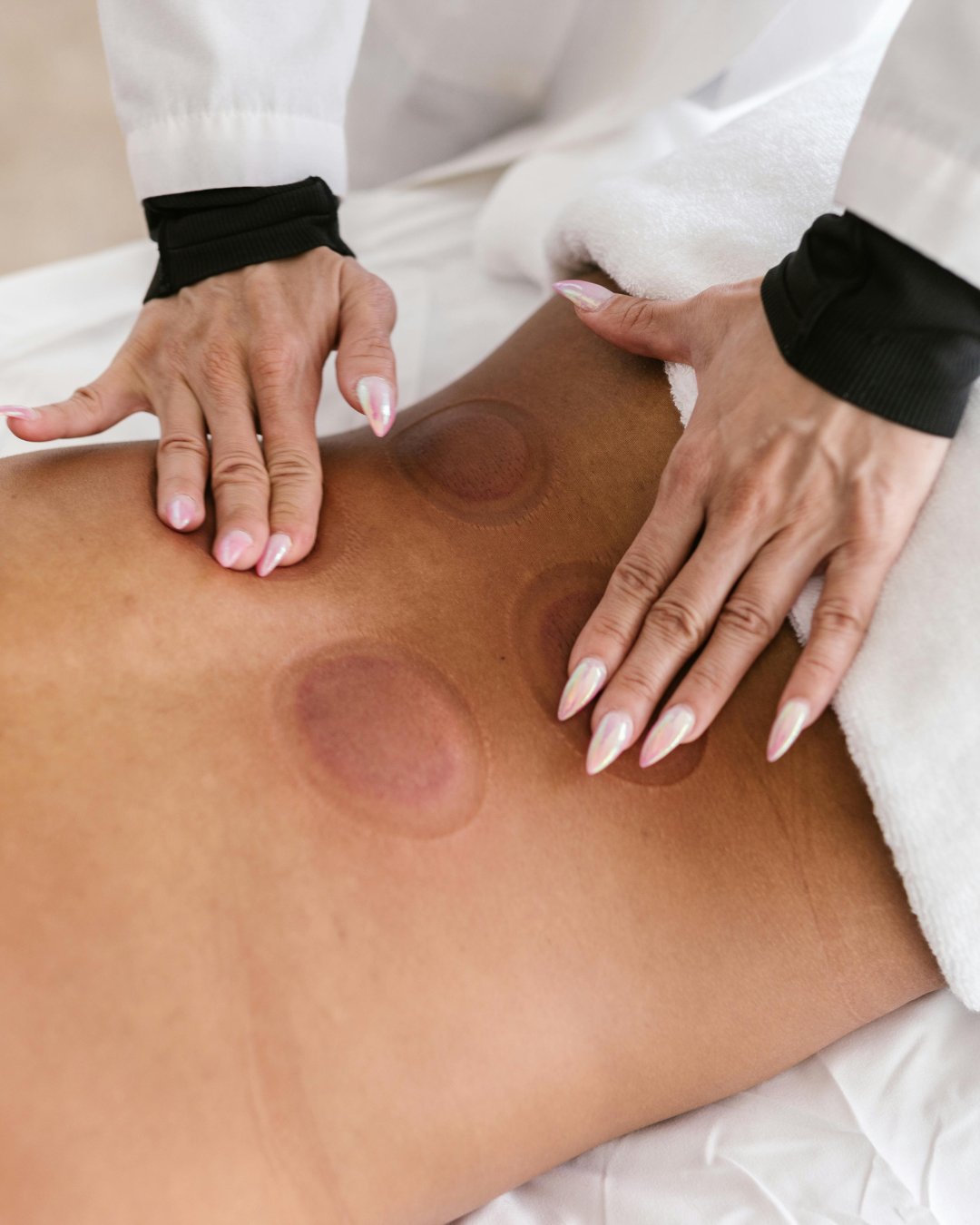 Because sciatica pain is often influenced by deep muscular tension—especially in the piriformis and gluteal muscles—cupping is commonly used on:
-
Lower back
-
Hips and glutes
-
Upper thighs and hamstrings
Clinical and physiological explanations describe how negative pressure may assist with circulation and tissue mobility rather than forcing tissue compression. You can read more through the National Library of Medicine.
When used gently and consistently, cupping can be a helpful part of a broader sciatica-support routine.
Overnight Support with Neuro Ease Foot Pads
In addition to hands-on therapies, some people look for passive, low-effort support options, especially when pain or discomfort interferes with rest.
Sole Serenity Neuro Ease Foot Pads by Lure Essentials are designed to be worn overnight, when the body naturally shifts into rest and recovery mode.
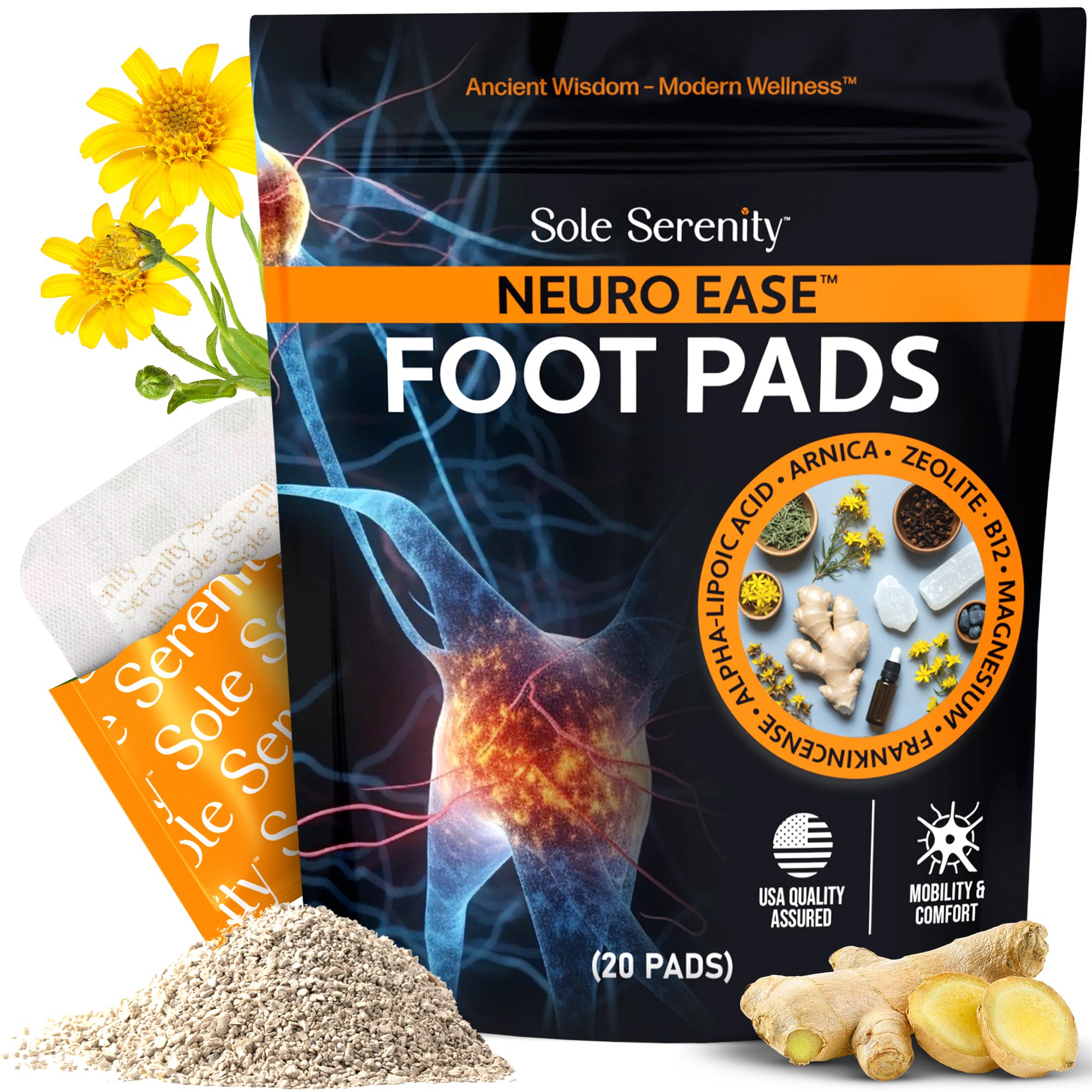
They are often incorporated into wellness routines to:
-
Promote relaxation before sleep
-
Support circulation and a sense of balance
-
Complement daytime stretching and recovery practices
Because sleep quality plays a key role in how the body manages discomfort, nighttime support tools are commonly used alongside physical therapies like stretching and cupping.
While no single tool addresses sciatica on its own, combining movement, manual release, and overnight relaxation support can feel more manageable than relying on one approach alone.
How These Tools Fit Into a Sciatica Support Routine
Cupping and foot pads are not replacements for movement or professional care. Instead, they work best when layered into a routine that already includes:
-
Gentle daily stretches
-
Proper posture and ergonomic habits
-
Heat or cold therapy as needed
-
Consistent sleep and rest
Many people use cupping during the day or early evening to help muscles release, then follow with Neuro Ease Foot Pads at night to support relaxation and rest.
The Benefits of Cupping and Massage
Both cupping and massage are fantastic for getting blood flowing and breaking up deep, chronic muscle tension. They're excellent additions to your sciatica relief plan.
Cupping therapy uses suction to lift tissue instead of compressing it. You can even do this at home with simple silicone cup sets. This lifting action creates space, pulls fresh blood into stagnant areas, and helps un-stick layers of muscle and fascia. For sciatica, placing cups on your lower back, glutes, and down the side of your leg can provide a profound feeling of release.
Massage therapy, especially deep tissue or trigger point work, lets a skilled therapist manually release the specific muscles clamping down on the sciatic nerve. They can find and undo knots in the piriformis, glutes, and deep lower back muscles that are nearly impossible to get to on your own.
For those curious about a more holistic view, an Ayurvedic treatment for nervous weakness can offer other perspectives on nerve health, often using targeted massage and herbs to soothe the entire nervous system.
When you're looking for a massage therapist, ask if they have experience with sciatica or neuromuscular therapy. And always speak up! The goal is to feel the "good hurt" of a muscle releasing, not the sharp, zinging pain of an irritated nerve.
Building a Lifestyle That Prevents Sciatica
While stretches and therapies are fantastic for managing flare-ups, the real win is building a lifestyle that doesn't trigger sciatica in the first place. This means getting honest about the daily habits that put subtle—but relentless—pressure on your lower back and sciatic nerve.
True, lasting relief is built on the small, consistent choices you make every single day. By dialing in your environment and daily routines, you can shift from just reacting to pain to proactively building a strong defense against it.
Master Your Daily Ergonomics
So many of us spend eight hours or more each day in positions that silently sabotage our spinal health. Whether you're chained to a desk or on your feet all day, poor ergonomics are a massive contributor to the cumulative stress that eventually leads to sciatica.
Think of your spine like a stack of building blocks. When it’s properly aligned, it's incredibly strong. But the moment you slouch or stand unevenly, that stack becomes wobbly, forcing your muscles to work overtime and putting direct pressure on sensitive nerve roots.
The Spine-Friendly Workstation
Your desk setup is ground zero in the fight against sciatica. The good news is that a few simple tweaks can make an enormous difference.
-
Chair Height and Support: Adjust your chair so your feet are flat on the floor, with your knees level with or just below your hips. Make sure your lower back is snug against the lumbar support to maintain its natural curve.
-
Monitor Position: The top of your computer screen should be at or slightly below eye level. This simple adjustment stops you from craning your neck forward, a bad habit that throws your entire spine out of alignment.
-
Keyboard and Mouse Placement: Keep your keyboard and mouse close enough that your elbows stay bent at a relaxed 90-degree angle. Reaching for them strains your shoulders and upper back, which has a knock-on effect on your lower back.
Real-World Tip: Don't have great lumbar support? No need to buy a whole new chair. Just roll up a towel or grab a small cushion and place it in the small of your back. It’s a simple, effective way to support your spine’s natural curve all day long.
Transform Your Sleep Habits
You spend about a third of your life in bed, which makes your sleeping posture one of the most powerful—or destructive—factors for your sciatic nerve health. The wrong position can compress your lumbar spine for hours on end, while the right one can actually help decompress it, promoting healing.
The main goal is to keep your spine in a neutral, straight line all the way from your head to your pelvis. Whatever you do, try to avoid sleeping on your stomach. This position forces your neck into a twist and causes your lower back to arch, putting a ton of strain on your nerve pathways.
As part of a preventative lifestyle, investing in a mattress that promotes proper spinal alignment can be a game-changer. A mattress that's too soft lets your hips sink out of alignment, while one that's too firm creates painful pressure points.
Pillow Strategies for Perfect Alignment
Pillows aren't just for your head—they're powerful ergonomic tools for your whole body. Here's how to use them to protect your back while you sleep:
-
For Side Sleepers: Pop a firm pillow between your knees. This one little trick prevents your top leg from sliding forward and twisting your pelvis, keeping your hips and spine perfectly aligned.
-
For Back Sleepers: Slide a small pillow or a rolled-up towel under your knees. This creates a gentle bend in your legs, which immediately takes a significant amount of pressure off your lower back.
Fuel Your Body to Fight Inflammation
What you eat directly impacts your body's level of inflammation, a key driver of nerve pain and irritation. While one "superfood" meal won't cure sciatica, a consistently anti-inflammatory diet gives your body the tools it needs to heal and dials down the chemical triggers that make nerve pain so much worse.
Think of it this way: pro-inflammatory foods like sugar, refined carbs, and unhealthy fats are like throwing gasoline on a fire. Anti-inflammatory foods, on the other hand, are like spraying water on the flames.
Key Anti-Inflammatory Foods and Nutrients
Weaving these foods into your diet will support nerve health and create a much less hostile environment for your sciatic nerve.
-
Omega-3 Fatty Acids: Find them in fatty fish like salmon and mackerel, plus flaxseeds and walnuts. They are incredibly potent anti-inflammatory agents.
-
Turmeric: The active compound, curcumin, is a powerhouse for blocking inflammatory pathways. Always pair it with black pepper to dramatically increase its absorption.
-
Ginger: Well-known for its ability to reduce both pain and inflammation. It's great in teas, smoothies, and stir-fries.
-
Leafy Greens: Spinach, kale, and chard are loaded with antioxidants that fight cellular stress.
-
Berries: Blueberries, strawberries, and cherries are packed with anthocyanins, which have powerful anti-inflammatory effects.
By addressing your ergonomics, sleep, and nutrition, you're doing more than just hoping the pain goes away. You are actively building a resilient body and a supportive lifestyle that protects your spine for the long haul.
Answering Your Top Questions About Natural Sciatica Relief
When you're trying to heal from sciatica, it’s completely normal to have questions pop up. You’re doing the stretches, changing your habits, and listening to your body—but you still want to know if what you're doing is really working.
Let's tackle some of the most common questions we hear. Getting these answers straight can give you the confidence you need to stick with it.
Can cupping help with sciatica pain?
Cupping may help by relaxing tight muscles and supporting circulation around areas that commonly contribute to sciatic nerve irritation. It is often used as part of a broader wellness routine.
Where should cupping be applied for sciatica?
Common areas include the lower back, glutes, hips, and upper thighs—areas where muscle tension may place pressure on the sciatic nerve.
How often can I use cupping for sciatica discomfort?
Many people use cupping 1–2 times per week, allowing at least 48 hours between sessions on the same area. Suction should remain gentle.
What are Neuro Ease Foot Pads used for?
Neuro Ease Foot Pads are typically used overnight as part of a relaxation and wellness routine. They are often paired with other supportive practices to help promote comfort and rest.
Can I use cupping and foot pads together?
Yes. Cupping is often used during the day or evening, while foot pads are worn overnight. Using both may help support muscle relaxation and recovery at different times.
Are these treatments a replacement for medical care?
No. Cupping and foot pads are wellness tools, not medical treatments. Persistent, worsening, or severe symptoms should always be evaluated by a healthcare professional.
How long until I feel better?
This is always the first question, and the honest-to-goodness answer is: it really depends. For a bout of acute sciatica, most people start feeling a real difference within two to four weeks of being consistent with gentle stretches, posture adjustments, and using therapies like heat and ice.
But if your sciatica stems from a more chronic issue like spinal stenosis or a stubborn disc problem, the road is often longer. Natural relief isn't about popping a pill to numb the pain; it's about addressing what’s causing the pain in the first place. That takes time. Your best friends in this process are patience and consistency.
Don't get discouraged if you're not pain-free overnight. The real win is slow, steady progress. If the pain is a little less intense, the flare-ups don't last as long, or you can move a bit more freely—you're absolutely on the right track.
Is walking actually good for sciatica?
Yes, but with a big caveat: timing is everything. If you're in the middle of a screaming flare-up where every step is agony, forcing yourself to go for a long walk can make things much, much worse. During that acute phase, stick to the gentle mobilization exercises we covered earlier.
Once that intense pain starts to calm down, short, mindful walks on a flat surface are one of the best things you can do. Walking gets blood flowing to your spine, helps keep your joints lubricated, and stops your muscles from getting weak and stiff from sitting around too much.
Here’s how to walk the right way:
-
Start small. Seriously, just 5-10 minutes is a great start.
-
Walk tall. Keep your head up, pull your shoulders back, and gently tighten your core.
-
Listen to your body. A dull, gentle ache is often okay. Sharp, shooting, or radiating pain is your body’s signal to stop immediately.
Can what I eat make my sciatica worse?
One hundred percent, yes. Your diet has a huge impact on your body’s inflammation levels, and inflammation is a major driver of nerve pain. Eating foods that promote inflammation is like pouring gasoline on a fire when your sciatic nerve is already irritated.
The biggest culprits to watch out for are:
-
Sugar and Refined Grains: Things like white bread, pastries, pasta, and sugary sodas are notorious for driving up inflammation.
-
Processed Foods: Anything in a box or bag with a long list of chemical ingredients puts a strain on your system.
-
Excessive Red Meat: For some people, a diet high in red meat can contribute to the body’s inflammatory load.
By shifting your focus to an anti-inflammatory diet—full of things like fatty fish (omega-3s), leafy greens, and colorful berries—you give your body the tools it needs to calm things down. It’s a simple shift that can make a massive difference in how you feel.
Final Takeaway
Sciatica discomfort is rarely caused by just one factor. Muscular tension, posture, daily movement habits, and quality of rest all play a role.
A balanced approach that includes:
-
Gentle movement and stretching
-
Heat and cold therapy
-
Manual release methods like cupping
-
Overnight relaxation support such as Neuro Ease Foot Pads may help support comfort and mobility over time.
Relief doesn’t always come from doing more—it often comes from supporting the body in the right ways, consistently.
Ready to build a more supportive routine?
At Lure Essentials, our at-home cupping therapy sets are designed to support circulation and release deep muscle tension, while Neuro Ease Foot Pads offer gentle overnight relaxation support that helps your body unwind, recover, and feel more balanced day and night. Take back control of your comfort and well-being today.


