

Cart
0

Ever wondered how cupping helps with all that soreness and tension? It’s pretty simple: the suction from the cups lifts your tissue, boosts blood flow, and eases muscle tightness.
Imagine a 'reverse massage.' Instead of pushing down on your muscles, cupping gently pulls them upward. This simple shift is what helps release deep-seated tightness and gets your body's natural healing systems firing on all cylinders.
What Is Cupping and How Can It Help You Feel Better?

Cupping therapy isn’t new—it’s an ancient healing practice with roots stretching back to Egyptian, Chinese, and Middle Eastern cultures, now making a powerful comeback in modern wellness. The technique is straightforward: special cups are placed on the skin to create a vacuum. This negative pressure gently draws the skin and the muscle layer just beneath it upward into the cup.
That suction effect is the secret sauce. It acts like a targeted, deep-tissue intervention, but instead of pushing in, it pulls out. By lifting the tissue, it creates much-needed space, encourages fresh, oxygenated blood to flood the area, and helps loosen up adhesions in the fascia—the web of connective tissue that holds your muscles together.
The Core Mechanisms of Relief
The real magic happens when the cups lift the tissue, setting off a chain reaction of positive physiological responses. These effects don't work in isolation; they team up to relieve discomfort and support your body's built-in recovery systems.
This is exactly why cupping is a favorite among athletes for muscle recovery and anyone looking to break free from chronic tension. To understand cupping's impact, here’s a quick summary of how it provides relief.
A Quick Guide to How Cupping Helps Your Body
This table breaks down the primary ways cupping therapy supports healing and provides relief.
| Mechanism of Action | Primary Benefit |
|---|---|
| Tissue Decompression | Lifts and separates layers of skin, fascia, and muscle, releasing knots and adhesions. |
| Increased Blood Flow | Pulls stagnant blood out and brings fresh, oxygen-rich blood to the area, accelerating repair. |
| Myofascial Release | Eases tension in the connective tissue (fascia) that surrounds muscles, improving flexibility. |
| Waste & Toxin Removal | Enhanced circulation helps flush out metabolic byproducts that cause soreness and inflammation. |
Each of these actions contributes to the overall feeling of release and accelerated healing that people experience after a session.
Here's a breakdown of the main ways it helps:
-
Boosting Blood Circulation: That vacuum pulls old, stagnant blood out of tired muscles and brings in a fresh supply of oxygenated, nutrient-rich blood. This is crucial for accelerating healing.
-
Releasing Muscle Tension: By decompressing tight muscles and fascia, cupping helps melt away knots and stiffness that a traditional massage might struggle to reach.
-
Reducing Inflammation: The increased blood flow acts like a cleanup crew, flushing out the metabolic waste and toxins that fuel soreness and inflammation, which helps speed up your recovery time.
Cupping therapy offers a totally unique approach to pain and tension. Instead of compressing muscle fibers, it decompresses them. This creates a powerful release that can dramatically enhance your mobility and reduce discomfort.
Ultimately, cupping is a non-invasive way to get deep into the body's tissues, encouraging relaxation and jumpstarting its incredible ability to repair itself.
The Science Behind How Cupping Works
To really get what cupping does, you have to picture what’s happening right under your skin. Think of your muscle tissue like a super busy highway. When you get injured, stressed out, or push it hard at the gym, traffic jams start to form. These pile-ups are made of metabolic waste and stagnant fluids, and they're the reason you feel sore, stiff, and congested.
Cupping therapy is like calling in the ultimate traffic control crew. The suction from the cups gently lifts your skin, fascia, and the top layers of muscle. This negative pressure is the magic that kicks off a whole chain of powerful healing responses in your body.
Decompressing Tissue and Boosting Circulation
The main thing cupping does is tissue decompression. A regular massage pushes down on your muscles. Cupping does the opposite—it pulls them up. This creates space between the layers of tissue, letting them slide past each other more easily and breaking up those tight knots and adhesions that are holding you back.
This lifting action also does something incredible for your circulation. It pulls old, deoxygenated blood that’s been stuck deep in the muscle up to the surface. At the same time, a fresh rush of oxygen-rich blood floods into the area to take its place.
Think of it like this: cupping drains a stagnant pool and refills it with a fresh, flowing stream. This process is crucial for delivering nutrients and oxygen needed for cellular repair, which is a key reason how cupping helps accelerate recovery.
All that fresh blood flow helps flush out cellular junk like lactic acid that makes muscles ache. This supercharged circulation is what leaves behind those famous red or purple marks—they're just a sign that the metabolic gunk has been pulled up to the surface to be cleared away.
Triggering a Healing Inflammatory Response
This might sound backward, but even though cupping is great for chronic inflammation, it actually works by creating a small, controlled inflammatory response. This tiny bit of micro-trauma is like sending up a flare signal to your body. It calls in the natural repair crews—white blood cells, platelets, and other healing agents—to rush to that specific spot.
Many experts believe this anti-inflammatory effect is where the real benefits come from. If you're interested in this, exploring natural ways to reduce inflammation can give you a bigger picture of how this works. Essentially, this controlled healing process helps your body fix underlying problems way more effectively than it could on its own.
The Impact on the Nervous System
Finally, the physical sensation of cupping has a major effect on your nervous system. The feeling of the cups pulling on your skin can actually interrupt pain signals on their way to your brain.
Scientists call this the "pain gate theory." The idea is that a non-painful feeling can "close the gate" on a painful one, stopping it from ever registering. Cupping provides this new sensation, effectively turning down the volume on your pain.
The therapy also nudges your body into its "rest and digest" mode by stimulating the parasympathetic nervous system. This shifts you out of a stressed-out "fight or flight" state, promoting deep relaxation, easing muscle tension all over, and leaving you with a lasting sense of calm and well-being.
Finding Relief from Chronic Pain Conditions
If you're dealing with the daily grind of persistent aches and pains, figuring out how cupping helps can feel like discovering a whole new world of relief. It goes way beyond just soothing general muscle soreness. Cupping is now widely seen as a powerful, drug-free way to manage the chronic pain that comes with specific conditions, hitting deep-seated discomfort right at the source.
The scientific evidence is really starting to stack up. Researchers have been zeroing in on some of the most frustrating issues that get in the way of everyday life, like chronic low back pain, that nagging neck stiffness, and the kind of pain from knee osteoarthritis that can stop you in your tracks. Time and again, the results show real, measurable improvements in both pain levels and mobility.
And this isn't just wishful thinking from a couple of small studies. A massive review that looked at 14 different meta-analyses on cupping for pain found solid support for its use. The researchers pointed to its effectiveness for chronic pain overall, and specifically for tough issues like knee osteoarthritis, low back pain, and neck pain. You can dive into the full research on these cupping findings to see the data for yourself.
What “Moderate-Quality Evidence” Means for You
Okay, so what’s the deal with "moderate-quality evidence"? In the world of science, it means the current data is strong enough to suggest a real effect. It's a signal that researchers are pretty confident in the results, though more studies will always help fine-tune the details.
For you, this is fantastic news. It means cupping isn't just a shot in the dark. It’s a credible therapy with a growing body of evidence showing it can genuinely help you manage long-term pain.
This level of scientific backing makes it a conversation worth having with your healthcare provider, especially if you’re looking for alternatives to popping pills day after day. It puts cupping on the map as a legitimate strategy for taking back control of your pain.
How It Works for Common Ailments
Let’s get practical. How does this research translate to feeling better in your day-to-day life?
-
Chronic Low Back Pain: Cupping gets in there and decompresses the tight, knotted-up muscles and fascia in your lower back. This boosts blood flow to an area that’s often stiff and starved of circulation, leading to less pain and more freedom of movement.
-
Persistent Neck Pain: Whether it’s from tension headaches or "tech neck," cupping can release those super-tense trapezius muscles. This not only eases the direct source of pain but can also dramatically improve your range of motion.
-
Knee Osteoarthritis: By targeting the muscles and connective tissues surrounding the knee joint, cupping helps dial down inflammation and pain. People often find they can move with greater ease, making simple activities like walking feel so much better.
By targeting these specific problems, cupping offers a focused and effective path to relief, helping you move more freely and live with a whole lot more comfort.
Targeting Complex Conditions Like Fibromyalgia
While cupping is a go-to for everyday muscle aches, its real power shines when dealing with more complex, persistent pain syndromes. For anyone navigating the daily challenges of fibromyalgia—a condition defined by widespread pain, crushing fatigue, and tender points—cupping offers a genuinely different approach to pain management.
The therapy’s ability to decompress tissue and kickstart local blood flow provides a unique way to soothe the sensitive trigger points that are hallmarks of the condition. Instead of applying direct, often painful pressure, cupping gently lifts and separates the soft tissue. This simple action can help calm overactive nerve endings, dialing down the pain signals without aggravating already sensitive areas. For many, it's a far more tolerable way to interact with painful tissues than traditional deep-tissue massage.
What the Science Says About Fibromyalgia Pain Relief
We're now seeing research that validates what many people have been feeling for years. Studies looking specifically at fibromyalgia are showing some really promising results for short-term pain reduction. This is a big deal for anyone looking for non-drug options to manage their symptoms.
One standout randomized controlled trial delivered some pretty compelling data. It found that the group receiving real cupping therapy reported a significant drop in pain intensity compared to those just getting their usual care. After 18 days, the cupping group saw an average pain score reduction of -12.4 points. You can dive into the details yourself and read the full research about these fibromyalgia findings.
This kind of targeted relief is exactly what's needed. It suggests cupping can be a valuable piece of a bigger pain management puzzle, offering a tangible way to lessen the daily pain that defines the fibromyalgia experience.
A Realistic Look at the Research
It’s also important to keep a clear head about these findings. The very same study that highlighted these positive results also noted the potential role of the placebo effect, which is a common and powerful factor in any pain research. The unique sensation of cupping can create a strong expectation of relief, and that expectation alone can change how we perceive pain.
Cupping therapy for fibromyalgia is not a cure, but a tool. Its true value lies in its ability to offer meaningful, short-term relief that can improve quality of life and create a window for other therapeutic activities like gentle stretching or exercise.
Researchers are also quick to point out that we need more long-term data to see how sustainable these benefits are. The current evidence strongly supports cupping for immediate, short-term relief, but the jury is still out on its lasting impact over months and years.
For someone living with fibromyalgia, cupping represents a promising complementary therapy. It can be woven into a broader strategy that might include physical therapy, medication, and lifestyle changes, giving you one more avenue to regain control and find a little more comfort.
Understanding Different Types of Cupping Therapy
Cupping isn’t a single, one-size-fits-all therapy. Think of it more like a toolkit, with different methods designed for specific needs. Getting to know your options is the first step toward finding the right approach, whether you're just dealing with everyday muscle tension or looking for a deeper therapeutic effect.
The most common method you’ll run into is dry cupping. This is pretty much the standard technique for general muscle relief and relaxation. A practitioner simply places cups on your skin, creates suction, and lets them sit for several minutes. It’s a fantastic, non-invasive way to tackle knots, boost circulation, and release tight fascia.
Exploring Wet Cupping or Hijama
A more specialized technique is wet cupping, also known in many cultures as Hijama. This method is a bit more involved. It starts with a short session of dry cupping, but after the cups are removed, the practitioner makes tiny, superficial incisions on the skin. The cups are then put back on with mild suction to draw out a small amount of stagnant blood.
This infographic breaks down some of the key outcomes people experience with cupping therapy compared to no treatment at all.
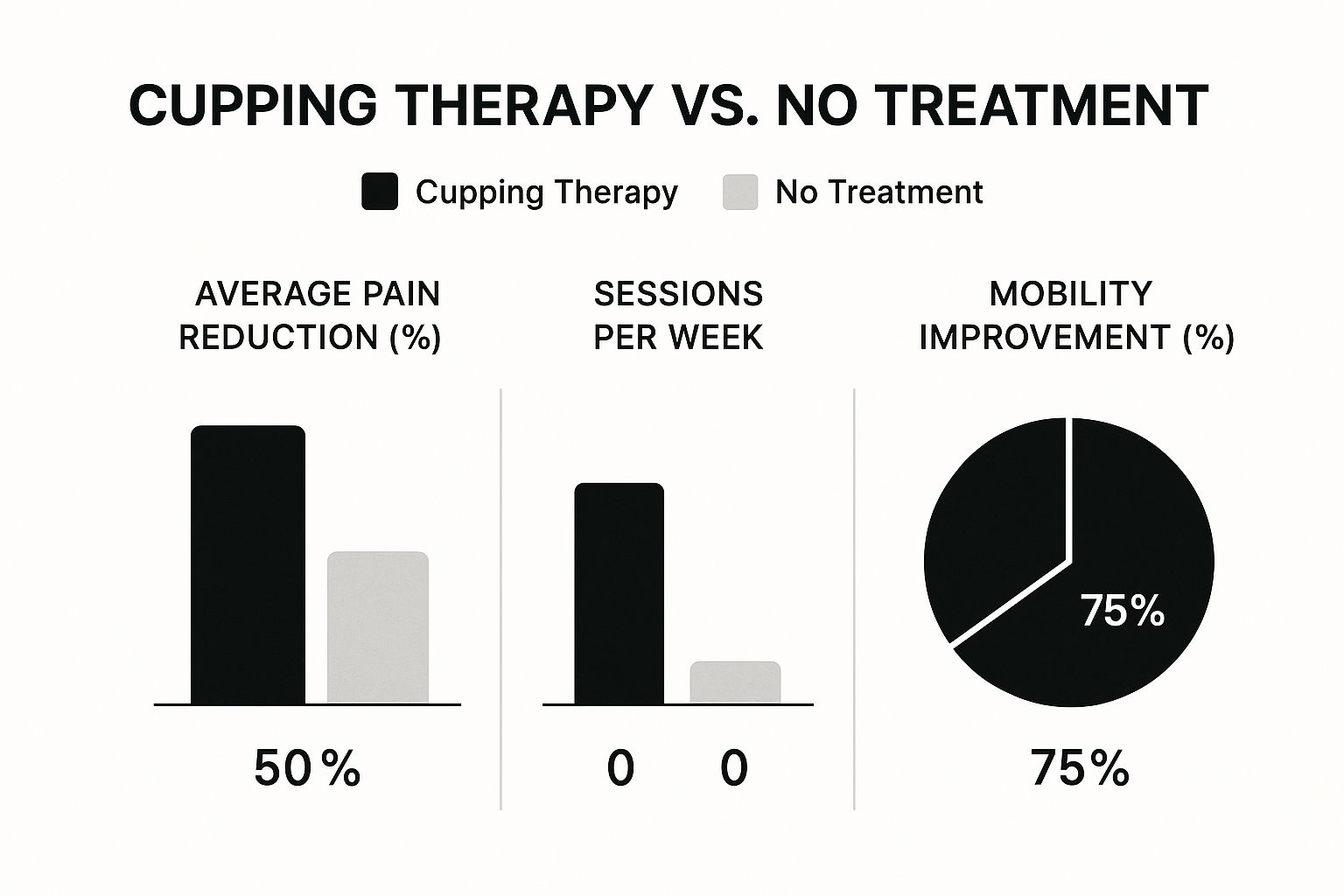
As you can see, the data points to significant improvements in pain reduction and mobility for those who incorporate cupping into their routine.
While it might sound intense, practitioners view wet cupping as a powerful detoxification method. The whole idea is to help the body clear out harmful substances and metabolic waste that can build up in the blood after an injury or just from daily life. And the science is starting to back this up for certain conditions.
For instance, a major meta-analysis looked at 15 randomized controlled trials and found that wet cupping was significantly more effective than standard antiviral drugs for treating herpes zoster (shingles). In fact, patients were more than twice as likely to be cured with wet cupping than with medication alone. You can learn more about these cupping findings directly from the study.
Dry Cupping vs Wet Cupping What's the Difference
To make it even clearer which path might be right for you, let's break down the core differences between these two popular methods.
| Feature | Dry Cupping | Wet Cupping (Hijama) |
|---|---|---|
| Process | Suction only; the skin is never broken. | Suction is followed by tiny skin incisions and a second round of suction. |
| Intensity | Generally mild to moderate, depending on the suction level. | More intense due to the incisions and the process of drawing blood. |
| Primary Goal | Relieving muscle tension, releasing fascia, and improving circulation. | Detoxification, removing stagnant blood, and treating specific conditions. |
Ultimately, understanding how cupping helps means knowing which tool to reach for. Dry cupping is a fantastic entry point for general wellness and muscle recovery. But for more specific or stubborn issues, wet cupping might offer unique benefits—as long as it’s performed by a qualified, experienced practitioner. Always have a chat with a professional about your health goals to figure out the safest and most effective option for you.
What to Expect and How to Stay Safe
Walking into your first cupping session is an exciting step, but knowing what’s coming can help you relax and get the most out of the experience. Being prepared for the consultation, the treatment itself, and the aftercare ensures everything goes smoothly.
Your practitioner will kick things off by chatting with you about your health concerns and what you're hoping to achieve. Once the session starts, you’ll feel a distinct pulling sensation as the cups create a vacuum on your skin. It’s a unique feeling—many people describe it as a “reverse massage” that lifts tension up and away, rather than pressing down on it.
After the cups come off, you’ll see those signature circular marks. It’s important to know these are not bruises and shouldn’t be painful. They’re actually a good sign, showing that blood flow has been drawn to the surface and stagnant fluids have been released from deep inside your muscle tissue. The color can be anything from light pink to dark purple and usually fades completely within a week.
Who Should Avoid Cupping Therapy
While cupping is safe for most people, it's not the right fit for everyone. Knowing the contraindications is essential for your safety. It's always a smart move to talk to your doctor before trying any new therapy, especially if you have a pre-existing health condition.
It's best to steer clear of cupping if you:
-
Are pregnant, especially on the lower back and abdomen.
-
Take blood-thinning medications, as this can elevate the risk of bleeding.
-
Have very sensitive or fragile skin, open wounds, or any active infections.
-
Live with certain medical conditions, including cancer, organ failure, or hemophilia.
Your safety should always be the top priority. Make sure you only receive treatment from a certified, experienced practitioner who uses sterile equipment and follows strict hygiene protocols. This is the best way to ensure you can fully relax and enjoy all the incredible benefits cupping has to offer.
Your Top Cupping Questions, Answered
Trying any new therapy for the first time naturally brings up a few questions. Knowing exactly what to expect helps you relax into the process and get the most out of your session.
Does Cupping Therapy Hurt?
This is by far the most common question we get. The short answer is no, it shouldn't hurt. Most people describe the sensation as a unique, firm pulling or tightness on the skin—definitely noticeable, but not painful.
A good practitioner can adjust the suction to a level that feels right for you. Afterward, the area might feel a little tender, much like it would after a really good deep tissue massage, but the treatment itself is generally quite comfortable.
How Long Do the Cupping Marks Last?
Those signature circular marks aren't actually bruises, and they shouldn't be sore to the touch. Think of them as a visual sign that the therapy is working—it shows that blood and fluid have been drawn to the surface to kickstart the healing process.
The color, from light pink to a deep purple, depends on the level of stagnation in that specific area. They typically fade completely within a few days, though some can stick around for up to two weeks.
Key Takeaway: The marks are a temporary and totally normal part of cupping. They offer a fascinating look at where your body is holding tension and needs the most circulatory support.
How Often Should I Get Cupping Done?
There’s no one-size-fits-all answer here; it really comes down to your body and your goals.
-
For Acute Injuries: If you're dealing with a fresh injury, you might find that sessions once or twice a week really speed up the healing process.
-
For Chronic Conditions or General Wellness: For maintenance and overall well-being, scheduling a session every two to four weeks is a great rhythm to stick with.
The best approach is to chat with your practitioner. They'll help you map out a schedule that makes the most sense for your body's needs.
Ready to feel the difference for yourself? Lure Essentials brings the power of professional-grade cupping right to your doorstep. Our easy-to-use kits are designed to help you find natural relief from the stress, tension, and fatigue of daily life.
👉 See why over 1 million customers trust us and start your own healing journey today.


