

Cart
0

Cupping therapy is no longer just an occasional treatment reserved for clinics or athletes.
Cupping has gone mainstream—but most people doing it at home make one critical mistake: they're either doing it too often or not often enough. Here's how to find your ideal cupping frequency for real results.
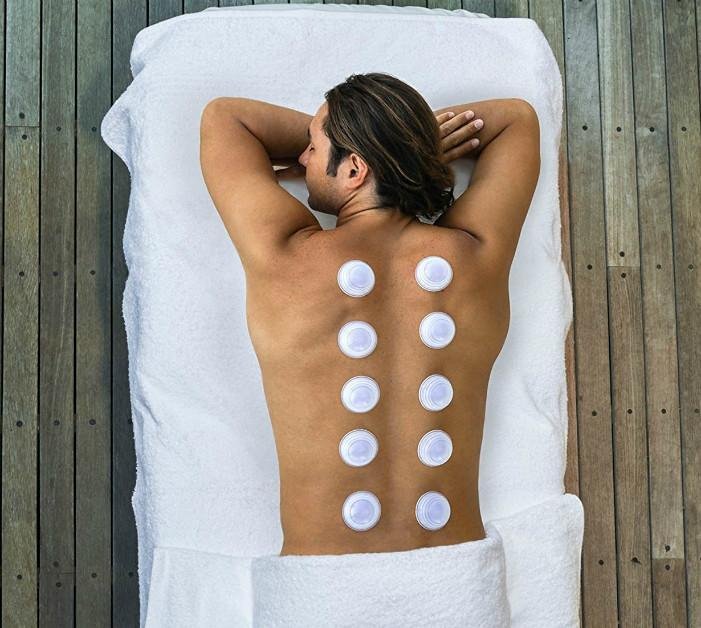
Why Frequency Matters with Cupping Therapy
Cupping works by creating gentle suction that lifts the skin and underlying tissues. This decompression helps encourage circulation, supports lymphatic flow, and releases tight fascia.
However, cupping is a stimulus, not a passive treatment. Your body needs time between sessions to respond, rebalance, and recover. Doing it too often can overwhelm tissues, while doing it too infrequently may limit results.
Finding the right rhythm is key.
Recommended Cupping Frequency by Goal
For Muscle Tension or Post-Workout Recovery
If you’re using cupping to support sore muscles, stiffness, or recovery from workouts:
• 1–2 times per week is typically sufficient
• Space sessions at least 48–72 hours apart
• Focus on large muscle groups like the back, shoulders, legs, or hips
This allows circulation to normalize and tissues to adapt without irritation.
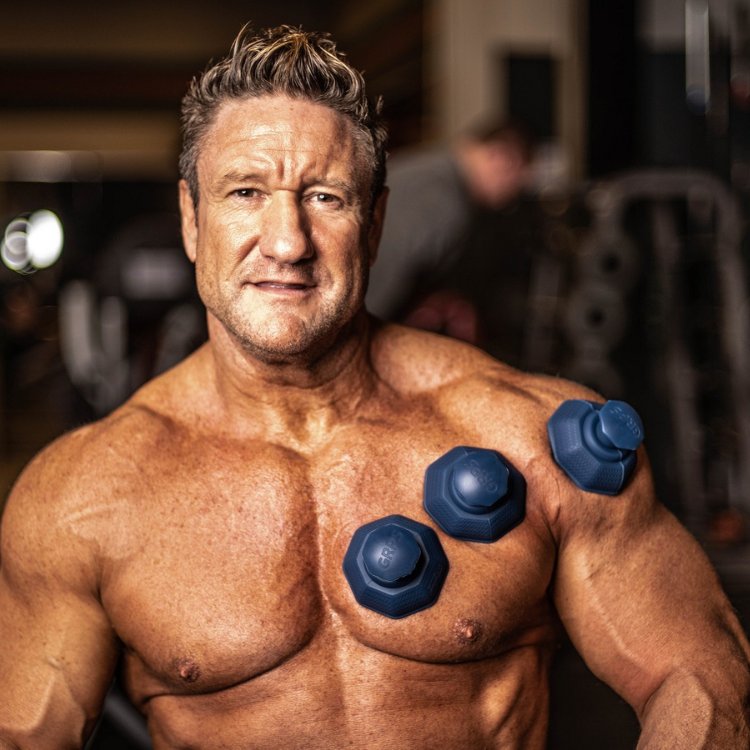
For Chronic Tightness or Ongoing Discomfort
For long-standing tension or recurring stiffness:
• Once per week is a common starting point
• Reassess after 3–4 weeks
• Reduce frequency as symptoms improve
Clinical reviews note cupping is often most effective when used consistently over time rather than intensively in short bursts. You can explore the physiological mechanisms of cupping therapy in more detail here.
For General Wellness and Maintenance
If cupping is part of a broader self-care or wellness routine:
• Every 2–4 weeks is typically enough
• Use lighter suction and shorter sessions
• Think of this as maintenance, not correction
Historically, cupping was used preventively as well as therapeutically. Ancient medical records from Egypt and China document its use as a regular wellness practice rather than an emergency intervention.
For Aesthetic or Lymphatic Support
When cupping is used for areas like legs, arms, or abdomen to support circulation and fluid movement:
• Once weekly is common
• Gentle, gliding (moving) cupping is preferred
• Avoid daily use on the same area
Lymphatic systems respond best to rhythmic stimulation followed by rest.
How Long Should You Wait Between Sessions?
A good general rule is to allow:
• 2–5 days between sessions on the same area
• More time if marks are still visible or tissue feels sensitive
Cupping marks are not bruises—they're the result of stagnant blood and fluid being drawn to the surface to promote circulation. Unlike bruises caused by trauma, cupping marks don't involve broken blood vessels and typically fade faster.
Signs You May Be Cupping Too Often
Your body gives feedback quickly. Consider spacing sessions out if you notice:
• Lingering tenderness
• Skin sensitivity
• Prolonged marks
• Fatigue after sessions
Cupping should feel relieving — not draining.
Consistency Over Intensity
Cupping works best when treated as a routine, not a one-time fix.
Regular, moderate sessions allow:
• Tissues to adapt gradually
• Circulation to normalize
• Fascia to remain mobile
For those combining cupping with other recovery methods, it can also complement strategies like massage or mobility work. You may find this guide on muscle recovery helpful as well.
Frequently Asked Questions
Can I do cupping every day? No. Daily cupping on the same area can overstimulate tissues. Wait 2-5 days between sessions on the same spot.
How long should cupping marks last? Typically 3-7 days. If marks last longer than 10 days, reduce suction strength or frequency.
Can I combine cupping with massage? Yes! Cupping and massage complement each other well. Just avoid cupping immediately after deep tissue massage on the same area.
Is morning or evening cupping better? Either works. Some prefer evening for relaxation; others use it post-workout for recovery.
Final Takeaway
There is no one-size-fits-all schedule for cupping therapy.
• Acute tension may benefit from weekly sessions
• Ongoing maintenance works well monthly
• Recovery and wellness fall somewhere in between
The most effective approach is listening to your body, spacing sessions appropriately, and prioritizing consistency over frequency.
Cupping is most powerful when it supports your body’s rhythm — not when it overrides it.
Ready to build an effective cupping routine?
Explore Lure Essentials’ silicone cupping sets designed for safe, consistent at-home use with guides to help you get started.


